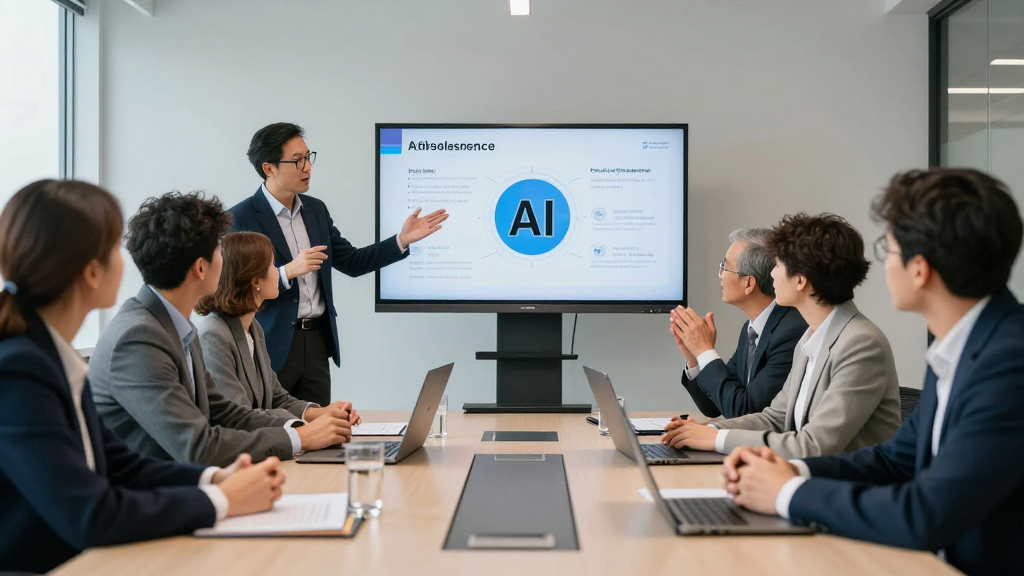
Hybrid Work Boundary Management Strategies
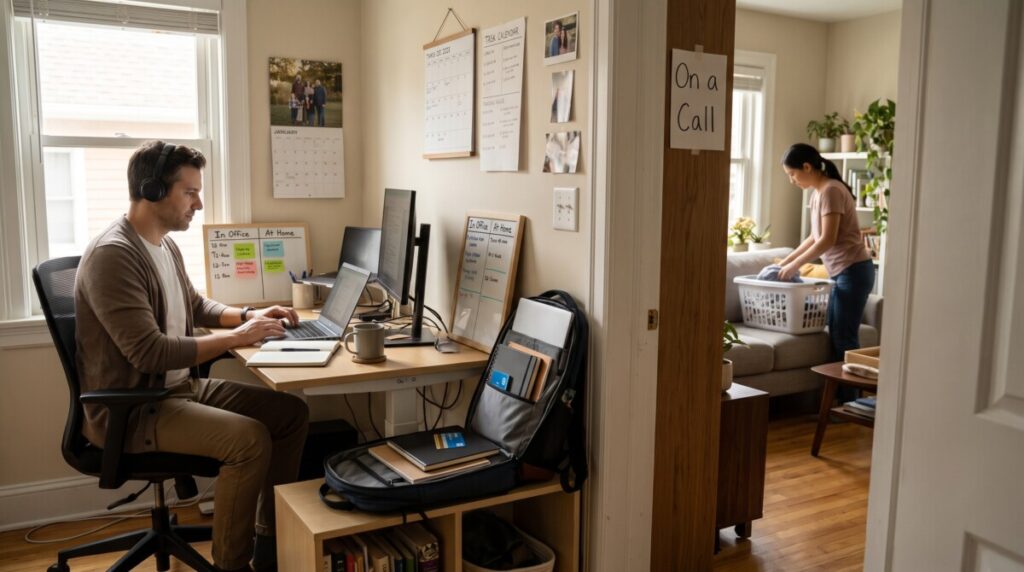
The shift toward blended workplace arrangements gives professionals unprecedented flexibility while dissolving traditional barriers between career tasks and domestic life [Allen et al., 2021]. Without intentional daily routines, constant connectivity encourages employees to monitor work notifications during personal family hours [Kossek et al., 2023]. Blurring these operational lines accelerates chronic mental exhaustion and compromises overall workplace engagement across diverse industries. Cultivating deliberate boundary protocols safeguards sustainable career performance and preserves personal well-being over the long haul.
affiliate link
Key Takeaways
Structured Separation: Clear cutoff times and dedicated workspace zones shield personal routines from constant professional intrusion.
Cultural Clarity: Transparent team norms regarding communication hours reduce unspoken expectations for immediate late-night replies.
Sustainable Performance: Psychological detachment outside work hours directly lowers burnout risks and supports long-term job satisfaction.
Establishing Clear Temporal and Digital Limits for Hybrid Schedules
Research reveals that employees who fail to partition their working hours experience higher levels of emotional fatigue and cognitive strain [Derks et al., 2016]. Digital devices make continuous access effortless, causing workers to check incoming company messages long after completing primary tasks. For instance, progressive enterprises that enforce strict evening log-off rules report measurable improvements in employee morale and daily productivity [Choudhury et al., 2020]. Establishing distinct boundaries enables workers to recharge mental faculties and maintain focus during actual scheduled shifts. Defining these operational parameters serves as an indispensable defense against creeping workplace burnout.
affiliate link
Addressing Flexibility Trade-Offs and Workplace Responsiveness Pressure
Some corporate executives contend that rigid boundary rules stifle the spontaneous collaboration and agility that flexible work environments provide [Golden & Gajendran, 2019]. Proponents of this view argue that top performers frequently prefer fluid schedules that mix personal errands with intermittent project tasks throughout the day. However, constant situational switching often creates persistent internal anxiety when workers feel continuous pressure to confirm ongoing availability to supervisors. Without transparent team agreements, this unspoken urgency triggers hyper-responsiveness that erodes deep focus and harms personal relationships [Mazmanian et al., 2013]. Organizations must balance operational adaptability with clear safeguards that protect dedicated personal recovery time.
Adopting Asynchronous Communication Tools for Sustainable Team Productivity
Forward-thinking organizations increasingly deploy asynchronous messaging practices to untether daily teamwork from real-time response demands [Leonardi, 2021]. Documenting key project updates in centralized digital hubs allows distributed contributors to process complex assignments without relentless conversational interruptions. Emerging workplace analytics platforms also assist managers by identifying erratic late-night email patterns that signal impending employee exhaustion. Over the coming decade, organizational leadership will evaluate team effectiveness through completed project outcomes rather than visible online presence. Standardizing these thoughtful workflow habits fosters resilient distributed teams that maintain top-tier performance without sacrificing personal rest.
Conclusion
Navigating a blended work arrangement requires conscious boundaries that separate professional obligations from domestic recovery time [Kossek et al., 2023]. Establishing predictable digital limits protects individual mental stamina and elevates sustainable output across entire organizations. Although modern operational flexibility offers real advantages, workers must actively defend personal hours from relentless screen connectivity. Proactive leaders will continue modernizing team communication norms to ensure that organizational agility supports human well-being. Practicing deliberate boundary management today establishes the essential foundation for a balanced, rewarding, and sustainable professional career.
https://focusofwellness.com/index.php/2026/01/06/workplace-emotional-wellbeing-what-really-works/
https://www.meditationsciencehub.com/
Frequently Asked Questions
Why is boundary management harder in a hybrid work arrangement?
In hybrid environments, the absence of a daily physical commute removes natural transition signals between professional duties and home life [Allen et al., 2021]. Work equipment and mobile chat apps remain continuously accessible within the home, creating subconscious pressure to stay active. Without intentional rules, work demands steadily expand into personal hours until fatigue sets in.
How can employees disconnect digitally without appearing uncommitted?
Workers should communicate their core working hours proactively to colleagues and update their digital status indicators accordingly [Choudhury et al., 2020]. Consistently delivering excellent work during scheduled hours reassures managers of strong dedication and accountability. Agreeing on explicit team standards for urgent escalations ensures that after-hours check-ins remain rare and justified.
What practical habits help create an end-of-day transition at home?
Simple physical actions like shutting down work laptops, closing the home office door, and changing clothes provide powerful psychological closure [Kossek et al., 2023]. Taking a short evening walk or engaging in light exercise effectively replaces the traditional commute by signaling the brain that the workday is complete. Maintaining consistent evening cutoff rituals helps restore the mental boundary needed for deep personal rest.