Improve Sleep Quality: Practical Health Tips
Have you ever noticed how much better you feel after a good night’s sleep? I know I do. Sleep isn’t just about feeling rested—it’s the cornerstone of sleep optimization techniques and health benefits, supporting physical energy and mental well-being. Poor sleep patterns can leave you feeling drained and unfocused. Let’s dive into some simple sleep optimization techniques to help you enjoy the health benefits of consistent, quality rest.
Key Takeaways
affiliate link
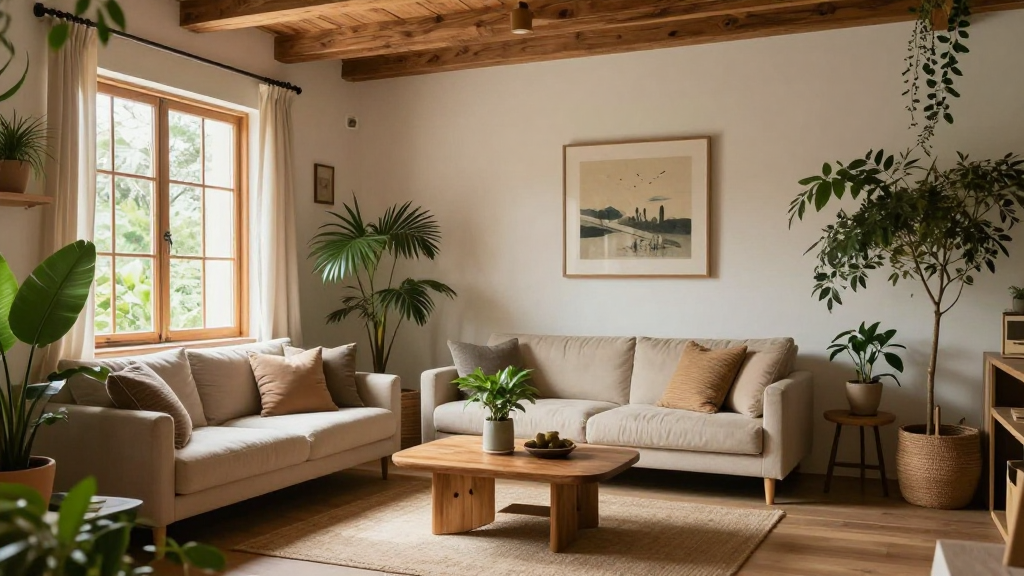
Make your bedroom cozy with soft lights, less noise, and a comfy temperature for better sleep.
Go to bed and wake up at the same time daily. Follow a calming routine before sleeping to feel healthier.
Stay active, eat balanced meals, and relax to sleep well and feel less stressed.
Sleep Optimization Techniques for a Better Environment
Optimize Bedroom Lighting
Lighting plays a huge role in how well we sleep. I’ve found that exposure to natural light during the day makes a big difference. It helps regulate our circadian rhythm, which tells our body when to wake up and when to wind down. Bright light in the morning boosts alertness, while dim light in the evening signals it’s time to relax.
For bedroom lighting, I recommend:
Warm White LED Bulbs with a soft glow (2700K-3000K) to create a calming atmosphere.
Dimmable Lights to adjust brightness as the evening progresses.
Bedside Lamps with Soft Shades for gentle light while reading.
Smart Lighting Solutions to mimic natural sunset tones.
Blackout Curtains or Blinds to block out external light completely.
These small changes can make your bedroom a sleep-friendly haven.
Control Noise Levels
Noise can be a major sleep disruptor. I’ve learned that even small adjustments can help. Adding thick curtains or acoustic panels absorbs sound, while sealing gaps around doors and windows keeps outside noise at bay. Rugs and soft furniture also reduce echoes.
For more serious noise issues, consider double-pane windows or hanging heavy drapes. These steps create a quieter, more peaceful environment.
Maintain a Comfortable Temperature
Temperature matters more than you might think. Experts suggest keeping your bedroom between 60 and 67°F. I’ve noticed that when my room is too warm, I toss and turn all night. A cool, stable temperature helps me fall asleep faster and stay in deep, restorative sleep longer.
Invest in Quality Bedding
Comfortable bedding is a game-changer. I love cotton sheets for their breathability and softness. Bamboo is another favorite—it’s sustainable, moisture-wicking, and great for allergies. For colder nights, wool or down provides warmth without overheating. Choosing the right materials can make your bed the coziest spot in your home.
affiliate link
Healthy Sleep Tips for Daily Habits
Eat Foods That Support Sleep
What we eat during the day can have a big impact on how well we sleep at night. I’ve noticed that when I make healthy food choices, like eating more fruits, vegetables, and whole grains, I feel more relaxed by bedtime. Foods rich in magnesium, like almonds and spinach, or those containing tryptophan, like turkey and bananas, can help promote better sleep.
I also try to avoid heavy, greasy meals in the evening. They make me feel uncomfortable and restless. Instead, I go for lighter options like a small bowl of oatmeal or a handful of nuts. These foods keep me satisfied without disrupting my sleep.
Exercise Regularly but Avoid Late Workouts
I can’t stress enough how important it is to prioritize regular exercise. It’s not just great for your body—it’s a game-changer for sleep. I’ve found that when I stay active, I fall asleep faster and wake up less during the night.
Here’s how exercise helps:
It reduces the time it takes to fall asleep.
It minimizes nighttime wakefulness.
Also it lowers daytime sleepiness, so I don’t feel the need for naps or sleep aids.
It even reduces the risk of obesity, which can improve sleep indirectly.
But timing matters. I avoid working out too close to bedtime because it leaves me feeling too energized to relax. Morning or early afternoon workouts work best for me.
Manage Stress with Relaxation Techniques
Stress can be a major sleep disruptor. I’ve learned that finding ways to manage stress and anxiety is key to better rest. Deep breathing exercises, meditation, or even a warm bath before bed can work wonders.
Sometimes, I write down my thoughts in a journal to clear my mind. Other times, I listen to calming music or practice yoga. These small habits help me unwind and prepare for a peaceful night’s sleep.
If you’re feeling overwhelmed, try starting with just one relaxation technique. Over time, you’ll notice how much easier it becomes to drift off to sleep.
Sleep Hygiene Practices to Improve Sleep Quality
Stick to a Consistent Sleep Schedule
I’ve learned that sticking to a consistent sleep schedule is one of the best ways to improve sleep quality. Going to bed and waking up at the same time every day—even on weekends—helps regulate my sleep cycle. When I follow this routine, I feel more energized and less groggy in the morning.
A consistent sleep schedule offers so many benefits:
Better mood
Maintaining a healthy weight
Stronger immune system
Reduced risk of accidents
Improved focus and memory
A 2023 study by the American Heart Association found that irregular sleep patterns can increase the risk of hardened arteries. This matches earlier research linking inconsistent schedules to high blood pressure, cholesterol issues, and even a higher chance of developing diabetes. It’s amazing how something as simple as a regular bedtime can protect your health.
Create a Relaxing Bedtime Routine
A relaxing bedtime routine has been a game-changer for me. I like to dim the lights, sip on herbal tea, and read a book before bed. These small habits signal my body that it’s time to wind down. Sometimes, I’ll add a warm bath or light some lavender-scented candles for extra relaxation.
affiliate link
Limit Screen Time Before Bed
I used to scroll through my phone before bed, but I noticed it made it harder to fall asleep. Now, I follow a tech-free bedtime rule. I turn off notifications and keep my phone out of the bedroom. Instead, I read or listen to calming music.
Here are some tips that worked for me:
Set a phone cutoff time at least 30 minutes before bed.
Avoid emotional or stressful content in the evening.
Keep devices out of reach to reduce temptation.
These changes have helped me improve sleep quality and feel more rested.
Avoid Stimulants and Heavy Meals in the Evening
I’ve found that avoiding caffeine and heavy meals in the evening makes a big difference. Caffeine keeps me awake, and large meals make me uncomfortable. Instead, I stick to lighter snacks like yogurt or a banana. This keeps my stomach happy and helps me drift off to good sleep faster.
Improving sleep quality doesn’t have to feel overwhelming. I’ve found that small changes, like relaxing before bed or tweaking daytime habits, can make a big difference. For example, I love taking a warm shower, lowering the lights, or reading a book to unwind. These simple steps help me enjoy the sleep optimization techniques and health benefits I’ve shared.
Common barriers like noise, stress, or discomfort can be tackled too. I use earplugs to block out sounds and adjust my room’s temperature for comfort. Tracking progress also helps. Monitoring sleep patterns shows me what works and keeps me motivated.
Better sleep is achievable. Start small, stay consistent, and watch how these changes transform your nights—and your health.
https://focusofwellness.com/index.php/2025/07/01/embracing-wellness-a-guide-to-building-a-balanced-lifestyle/
FAQ
What should I do if I can’t fall asleep?
I try deep breathing or progressive muscle relaxation. Sometimes, I read a calming book or listen to soft music. These help me relax and drift off.
How long does it take to improve sleep quality?
For me, small changes showed results in a week. Consistency is key. Stick to your new habits, and you’ll notice steady improvement over time.
Can naps affect nighttime sleep?
Yes, long naps can make it harder to sleep at night. I keep naps under 30 minutes and avoid napping late in the day.