The Shift From Hustle To Harmony: Embracing Slow Living

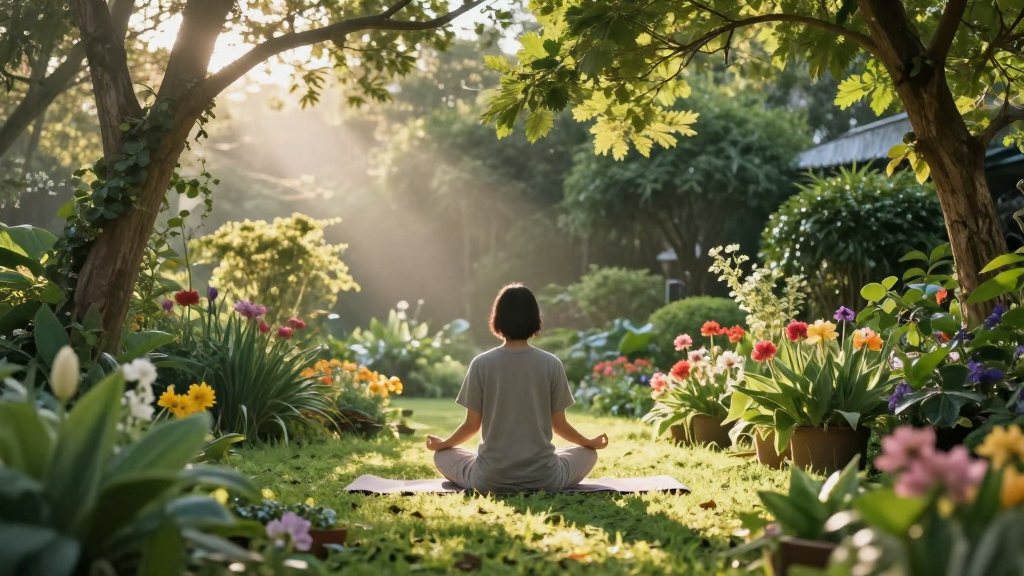
In a world where hustle culture often glorifies relentless productivity, slow living offers a refreshing alternative. This mindset encourages a more meaningful lifestyle aligned with personal values, focusing on quality over quantity and being present in each moment.
Unlike the frenetic pace of hustle culture, which measures success by the sheer volume of accomplishments, slow living prioritizes personal fulfillment and mindfulness. It’s a deliberate shift towards savoring experiences and fostering deeper connections with oneself and others.
“Embracing slow living can lead to greater mental clarity, stress reduction, and enhanced well-being.”
By adopting slow living, individuals can enjoy improved social interactions, better concentration, and a more profound appreciation of life’s simple pleasures. Ultimately, it’s about living better, not faster.
affiliate link
The Science of Slowing Down
The link between mental health and productivity is well-documented, emphasizing how mental health disorders like depression and anxiety significantly impact workplace productivity. With an economic burden anticipated to rise to US$6.1 trillion by 2030 due to lost productivity, the need for a shift towards slower living becomes evident.
Work-life balance is crucial, yet 66% of Americans report lacking it. Over 77% experience burnout, highlighting the toll of hustle culture. In contrast, workplaces that foster mental health can reduce absenteeism and presenteeism, enhancing overall productivity.
Moreover, reducing stress through mindfulness and self-care enhances focus and joy. Stress management strategies promote relaxation and resilience, leading to improved attentional control and well-being.
| Aspect | Hustle Culture | Slow Living |
|---|---|---|
| Work Hours | 50+ hours/week | 40 hours/week |
| Burnout Rate | High | Low |
| Focus & Joy | Decreased | Increased |
Embracing slow living can lead to sharper focus and deeper joy, making the case for a balanced life ever more compelling.
Designing Tech Boundaries
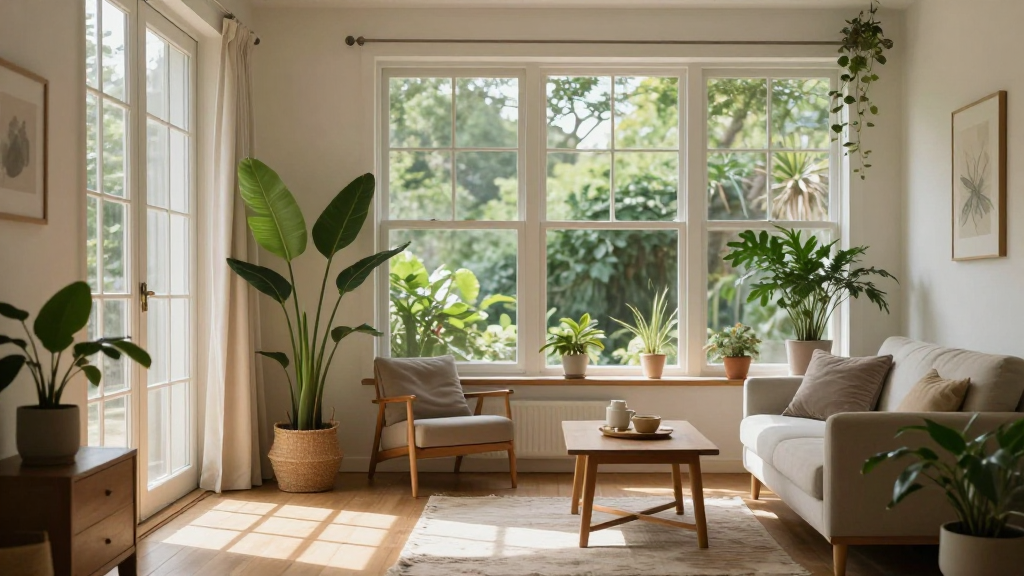
In the fast-paced world of hustle culture, technology often blurs the line between work and leisure, making it challenging to disconnect. Constant notifications and screen time contribute to stress and detract from the mindful, intentional living that slow living advocates. Establishing technology boundaries is crucial to maintain a balanced relationship with digital devices, fostering a healthier lifestyle.
To effectively set and maintain these boundaries, consider the following tips:
Identify Your Needs: Reflect on how technology impacts your daily life. Recognize areas where it causes distraction or overwhelm.
Set Clear Limits: Define specific times for tech use, such as limiting screen time during meals or before bed.
Create Tech-Free Zones: Designate areas in your home, like the dining room, to encourage face-to-face interactions.
Use Tools and Apps: Leverage apps that track screen time or block distracting websites during work hours.
Practice Mindfulness: Engage in mindfulness practices to become more aware of your tech habits.
Real-life examples, like Jessica Naziri’s scheduled tech-detox breaks or Shauna Sweeney’s screen-free midnight sessions, highlight the importance of personalized strategies. Embracing these boundaries not only enhances well-being but also enriches real-world interactions, aligning perfectly with slow living principles.
affiliate link
Shrinking the To-Do List
In the quest for harmony over hustle, learning to prioritize tasks is paramount for achieving meaningful progress. By adopting strategies like the Eisenhower Matrix and the Most Important Task Method, individuals can tackle high-impact tasks first, ensuring their efforts align with strategic goals.
To eliminate busywork, it’s essential to recognize tasks that only appear urgent but offer little value. Conducting time audits can highlight areas where low-value activities consume precious hours, allowing for a concentrated focus on actions that drive real results.
Enhancing task management can be further streamlined with the right tools and techniques:
Todoist: Offers cross-platform support and collaboration tools, ideal for managing tasks efficiently.
Asana: Highly flexible, perfect for teams needing robust task management features.
Time Blocking: Allocate specific times for tasks to ensure focused work periods.
Automate: Use tech to automate repetitive tasks, freeing up time for more important pursuits.
By refining one’s approach to task management, it becomes possible to accomplish more with less, aligning productivity with the principles of slow living.
Carving Restorative Micro-Breaks
In the pursuit of a balanced life, micro-breaks emerge as a vital tool for maintaining mental health and sustaining productivity. These short, intentional pauses can significantly reduce stress and enhance work engagement, particularly when embraced within a supportive environment. By stepping away from tasks briefly, individuals can recharge and return with renewed focus and energy.
Micro-breaks can be categorized into various types to cater to different needs. Relaxation breaks involve simple activities like stretching, promoting relaxation and alleviating tension. Nutrition intake breaks, such as enjoying a quick snack, help refuel energy levels. Meanwhile, socialization breaks offer opportunities for meaningful interactions with colleagues, fostering connections and reducing stress. Lastly, cognitive activities, like reading a magazine, provide a mental escape from work tasks.
Integrating these micro-breaks into a busy schedule involves treating them as essential appointments. Using timer apps like Focus Booster can remind you to take breaks every 60-90 minutes. Starting small with 2-3 short pauses daily can help you ease into the habit, gradually increasing as you experience their benefits. By consciously incorporating micro-breaks, you can align your daily routine with the principles of slow living, ultimately enhancing both your well-being and productivity.
affiliate link
4-Step Reset for Meaningful Progress
Resetting priorities is a powerful way to align ambition with the principles of slow living. Begin with the Reflect step, where you evaluate past decisions and identify impactful ones, as detailed in this guide. Next, move to Restore, focusing on the priorities that align with your core motivations. This is followed by the Recast phase, where you redefine your contributions in a broader context.
The final step is to Rebalance your life. This involves integrating wellness practices like meditation and exercise, as suggested by those who have successfully balanced ambition with a slower lifestyle. For instance, the journey of an actress who transitioned from New York’s hustle to a fulfilling life in France exemplifies this transformation. Her story, documented here, showcases how prioritizing core values and embracing new environments can lead to profound personal growth.
By applying these steps, you can achieve meaningful progress without sacrificing your aspirations, ultimately leading to a harmonious and satisfying life.
FAQ: Embracing Slow Living
Q: What are common misconceptions about slow living? A: A prevalent misconception is that slow living equates to laziness or a lack of ambition. However, slow living actually encourages intentionality and prioritizing what truly matters, leading to a more focused and fulfilling life.
Q: How can someone start adopting a slow living lifestyle? A: Begin by reflecting on your values and priorities, as outlined in this guide. Start with small changes, such as incorporating daily wellness practices like meditation or walking, and slowly build habits that align with your core values.
Q: What challenges might one face when transitioning to slow living? A: One challenge is the societal pressure to constantly hustle. It can also be difficult to break away from ingrained habits of busyness. As shared in a personal journey, overcoming these challenges involves self-awareness and dedication to a more mindful lifestyle. Seeking support from like-minded communities can ease this transition.
https://focusofwellness.com/index.php/2025/12/25/5-minute-micro-wellness-quick-energy-fixes/
Conclusion
Embracing slow living offers a refreshing alternative to the relentless hustle. By prioritizing wellness, setting clear priorities, and nurturing relationships, you can achieve a fulfilling balance between ambition and tranquility. The journey of slowing down, as illustrated through personal stories, is not about giving up goals but about pursuing them with intention and joy. As you take steps towards this lifestyle, remember that meaningful progress doesn’t require constant busyness. Embrace slow living to cultivate a life of purpose, clarity, and deeper satisfaction. The shift from hustle to harmony is a journey worth embarking on. Are you ready to take the first step?