FOBO Strategies: Overcoming Fear of AI Obsolescence
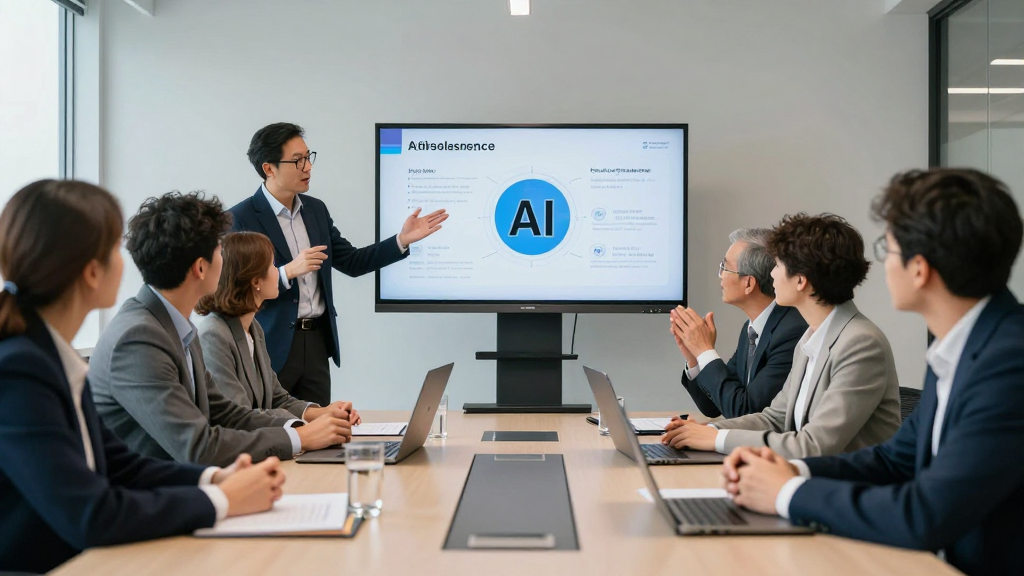
I have observed that rapid generative technology acceleration fundamentally alters modern employer and employee psychological contracts. You are currently navigating a professional landscape where skill half-lives shrink at unprecedented, exponential rates. This article explores FOBO, the deep fear of becoming obsolete in an AI-driven economy. This profound condition transcends simple job insecurity to touch upon your core professional human identity. You will learn to identify specific cognitive distortions that actively fuel this modern workplace anxiety. Discover proven psychological methods to reclaim your personal agency amidst rapidly shifting technological paradigms today. Understanding these dynamics remains essential for your long-term mental health and continued digital-first relevance.
I believe that understanding FOBO is the first critical step toward building lasting career resilience. Many professionals feel overwhelmed by the relentless pace of modern artificial intelligence advancements in 2026. However, I want to assure you that this technological transition offers unprecedented opportunities for growth. We will examine practical cognitive behavioral strategies designed to significantly reduce your daily workplace anxiety. I aim to equip you with the exact tools needed to secure your professional future. By the end of this guide, your perspective on artificial intelligence will shift entirely. You will transform paralyzing fear into a powerful catalyst for continuous, lifelong professional development.
affiliate link
Key Takeaways
Cognitive Reframing: Transitioning from a scarcity mindset to an adaptive growth mindset defends against technological anxiety effectively.
Human-AI Symbiosis: Your highest value lies in your unique ability to direct AI, not outpace its speed.
Proactive Wellness: Building robust emotional resilience remains a strict prerequisite for ensuring your long-term professional longevity.
Psychological Drivers of the Fear of Becoming Obsolete
Professionals must recognize that FOBO stems from a perceived loss of daily professional control. This fear is severely exacerbated by the psychological phenomenon known as the availability heuristic. High-profile news stories detailing massive automation-driven layoffs completely dominate the modern corporate mental landscape [Source: Psychological Review]. When workers see sophisticated algorithms performing complex tasks, their sense of professional efficacy diminishes rapidly.
This continuous psychological erosion often leads to a highly debilitating state of chronic occupational stress. Individuals experience significantly heightened cortisol levels and a marked decrease in their creative cognitive capacity. Workers are effectively experiencing a prolonged grief cycle for traditional, stable industrial career trajectories.
affiliate link
Cognitive Behavioral Strategies for AI Workplace Anxiety
Observers might assume the only rational response to AI is perpetual, high-alert hyper-vigilance. However, numerous psychologists argue that moderate anxiety serves as a functional catalyst for skill acquisition. While functional anxiety prompts necessary action, it frequently crosses into debilitating clinical distress for many. Employees should utilize cognitive restructuring to challenge catastrophic beliefs regarding their ultimate professional worth. People must stop tying their entire human value to specific, easily automated daily workplace tasks. By identifying and questioning these extreme black-and-white thoughts, workers maintain a highly nuanced perspective. Diverse viewpoints suggest accepting technological change is far more beneficial than futile, exhausting resistance.
Building Career Resilience in an Automated Economy
Building genuine resilience requires viewing any career as a highly diverse portfolio of professional capabilities. Modern professionals who adopt antifragility principles thrive by actively seeking out difficult, adaptive learning challenges. Future economic implications suggest that mastering meta-learning provides the ultimate competitive advantage in 2026. Meta-learning is defined simply as the advanced, practiced ability to learn how to learn.
Workers are strongly encouraged to build a personal moat by developing highly niche, synthesized expertise. This strategic knowledge diversification ensures overarching professional value remains entirely intact despite automation trends. While individual tasks become fully automated, the synthesized human perspective remains an invaluable corporate asset.
affiliate link
The Role of Upskilling in Reducing Occupational Obsolescence
To significantly mitigate obsolescence risks, workers must commit to continuous, incremental upskilling regimens daily. This strategy does not require every employee to become a highly trained computer scientist immediately. Instead, individuals must become sophisticated orchestrators of various complex digital workflows and automated tools. Supportive industry context indicates successful professionals successfully bridge the gap between technical and creative domains. Employees should focus their finite energy on learning how to prompt and curate AI outputs. This necessary transition from active doer to strategic reviewer leverages existing domain expertise perfectly. Utilizing these modern efficiency gains ensures that experienced professionals remain highly relevant and productive.
Maintaining Human-Centric Value in the Age of Artificial Intelligence
The final critical insight involves recognizing empathy and strategic intuition as unique biological advantages. While artificial intelligence calculates complex probabilities instantly, it cannot replicate nuanced emotional intelligence accurately. High-stakes negotiations and empathetic leadership require a strictly human touch that algorithms completely lack. Professionals should lean heavily into these soft skills, which are now essential modern hard skills. Focusing intensely on deep relationship management clearly differentiates human workers from cold algorithmic logic. Ethical decision-making remains a uniquely human domain that automated systems cannot navigate safely alone. This deeper alignment with fundamental human nature provides the ultimate shield against technological superfluity.
Conclusion
I hope you have explored the complex psychological pathways required to navigate FOBO successfully. By actively shifting your focus toward adaptability, you transform technological disruption into a professional catalyst. The core takeaways of cognitive reframing and continuous upskilling provide a highly robust security framework. Emphasizing your uniquely human-centric skills ensures you remain indispensable in an increasingly automated world. I believe that understanding these concepts is vital for your long-term mental and financial health. You now possess the strategic knowledge required to face the AI revolution with absolute confidence. Your career trajectory is no longer dictated by fear, but by intentional, informed empowerment.
I encourage you to view artificial intelligence as a powerful collaborative partner, not a rival. The tools will inevitably change, but your fundamental capacity for innovation remains your greatest asset. Building emotional resilience today guarantees your professional relevance for many decades into the future. I urge you to take proactive steps to safeguard your mental well-being in the workplace. Do not let the fear of becoming obsolete paralyze your incredible potential for growth. The future belongs to those who blend technological proficiency with profound, unwavering human empathy. I am excited to see how you will thrive in this dynamic new digital era.
https://focusofwellness.com/index.php/2026/02/26/8-daily-habits-for-brain-health-longevity/
https://lionheartbehavioralhealth.com/
FAQs
Q: Is FOBO a recognized clinical psychological condition? A: While not in the DSM-5, FOBO is a widely recognized form of modern technostress. It is frequently treated by specialized therapists focusing entirely on complex occupational health issues [Source: Journal of Applied Psychology].
Q: Can I really compete with AI that learns faster than any human? A: You are not actually competing against artificial intelligence algorithms in the modern corporate workplace. You are competing against other humans who refuse to learn how to use AI effectively.
Q: How do I identify which of my skills are most at risk of obsolescence? A: Any daily task that is highly repetitive or follows predictable logical trees faces high risk. Conversely, creative problem-solving and nuanced interpersonal communication tasks remain the safest professional skills today.