Compound vs. Isolation Movements: Combining for Better Results
Combining compound and isolation movements helps people get better workout results. Compound exercises like squats activate more muscles and boost strength. Isolation movements, such as biceps curls, target weaker muscles and improve symmetry. The mix maximizes muscle growth and corrects imbalances. Check out these benefits:
| Movement Type | Description | Purpose |
|---|---|---|
| Compound | Multi-joint, high muscle activation | Build strength, coordination |
| Isolation | Single-joint, specific muscle focus | Targeted hypertrophy, symmetry |
People can use Compound vs. Isolation Movements for steady progress and continuous improvement.
Ready to try simple steps? They can start today and see results!
Key Takeaways
Combine compound and isolation exercises for better muscle growth and strength. This mix helps target weak areas and correct imbalances.
Start workouts with compound movements to build overall strength. Follow up with isolation exercises to focus on specific muscles that need extra attention.
Prevent training plateaus by using isolation exercises. They help address lagging muscle groups and maintain steady progress in your fitness journey.
Why Combine Compound and Isolation Movements
Benefits for Muscle Growth and Strength
A balanced routine uses both compound and isolation movements. People often ask why they should mix these two types. The answer is simple. Compound exercises work several muscles at once. Isolation exercises focus on one muscle at a time. This mix helps everyone reach their goals faster.
Compound exercises like bench presses and squats build functional strength. They make daily activities easier and improve overall fitness. Isolation exercises, such as leg curls or triceps extensions, target specific muscles. This helps with muscle growth and makes weak areas stronger.
Research shows that when training volume is equal, muscle growth is similar whether someone uses only compound exercises or combines compound and isolation movements. Still, isolation exercises help target muscles that compound exercises might miss. This makes the combination ideal for maximizing growth.
People who want to get stronger and build muscle should use both compound and isolation exercises in their workouts. This approach helps them train hard and see results.
Combining compound and isolation exercises can enhance overall strength gains.
Compound exercises improve functional fitness and overall strength.
Isolation exercises target specific muscle weaknesses or imbalances, making them valuable in a comprehensive training program.
Compound vs. isolation movements give people more options in their training. They can start with compound exercises to build strength and follow up with isolation exercises for extra muscle growth. This strategy works for all fitness levels and goals.
Preventing Imbalances and Plateaus
Compound vs. isolation movements also help prevent imbalances and plateaus. Compound exercises like deadlifts and squats engage many muscles. Isolation exercises focus on muscles that need extra attention. This keeps the body balanced and strong.
Compound movements like squats and deadlifts engage multiple muscle groups, which enhances overall strength.
Isolation exercises target specific muscles, helping to correct imbalances and strengthen vulnerable areas.
Plateaus happen when progress slows down. Sometimes, compound exercises alone do not fix lagging muscles or poor mechanics. Isolation exercises can help prevent strength plateaus by allowing targeted training of specific muscle groups. This is important because compound exercises may yield diminishing returns over time.
Isolation exercises can help prevent strength plateaus by allowing targeted training of specific muscle groups, which is essential as compound exercises may yield diminishing returns over time.
Plateaus can occur due to lagging muscle groups or poor mechanics, and addressing these through targeted exercises can help maintain progress.
Isolation exercises can correct muscle imbalances, such as strengthening weaker glutes to prevent lower back pain, which is crucial for overall performance.
Compound vs. isolation movements keep workouts fresh and effective. People can use both types to reach their goals and avoid common problems in training. This approach supports steady growth and helps everyone stay motivated.
Compound vs. Isolation Movements Explained

What Are Compound Exercises
Compound exercises use more than one joint and muscle group at the same time. These movements help people build strength and improve how their bodies work together. For example, when someone does a squat, they use their legs, core, back, and even arms. This type of training matches real-life activities, making daily tasks easier.
Here’s a quick look at common compound exercises:
| Type | Examples |
|---|---|
| Upper Body | Shoulder press, Bent over row, Pushup, Tricep dips, Overhead press |
| Lower Body | Squat, Lunge, Romanian deadlift, Runner’s lunge |
| Full Body | Plank, Burpee, Mountain climbers, Kettlebell swing |
Compound exercises also burn more calories because they work many muscles at once. After a tough session, the body keeps burning energy for hours. This makes compound movements great for people who want to save time and get stronger.
Compound exercises:
Engage multiple muscles and joints
Build functional strength
Improve coordination and balance
What Are Isolation Movements
Isolation movements focus on just one muscle group or joint. These exercises help people target weak spots or shape specific muscles. For example, a bicep curl works only the biceps, while a leg extension targets the front of the thigh.
Isolation exercises are often viewed as non-functional, but they can be functional when used purposefully. For example, a bicep curl is an isolation movement that targets the biceps directly, contrasting with compound movements like pull-ups that engage multiple joints.
Some popular isolation exercises include:
Bicep curl
Triceps extension
Leg extension
Leg curl
Isolation movements do not burn as many calories as compound exercises, but they help people fix muscle imbalances and improve muscle shape. People often use isolation exercises after compound movements to give extra attention to certain muscles.
affiliate link
Structuring Your Workout with Compound Exercises
Starting with Compound Movements
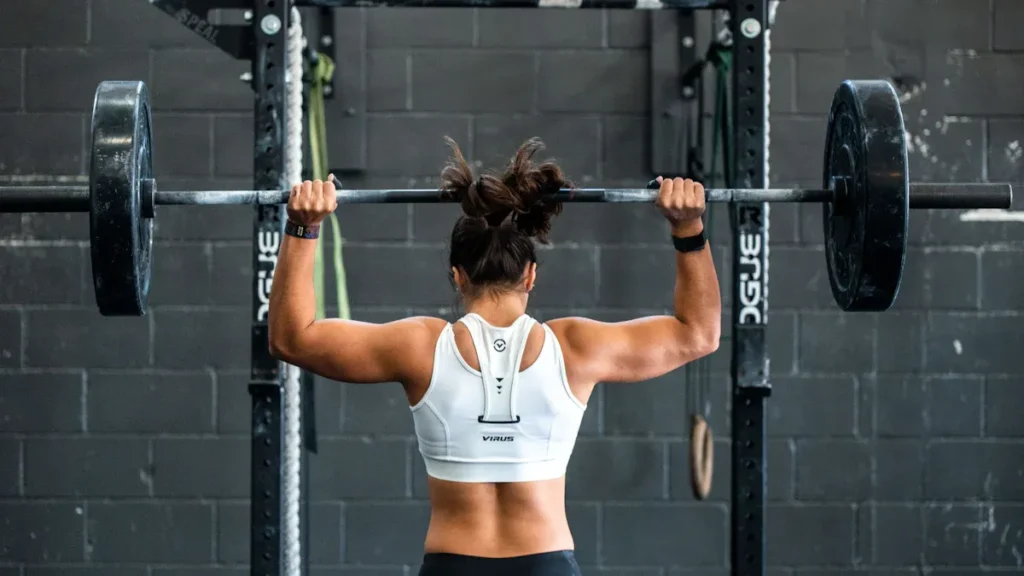
Every effective workout starts with compound exercises. These movements use more than one joint and work several muscles at the same time. People often choose squats, bench presses, or deadlifts at the beginning of their training sessions. This approach helps them lift heavier weights and build more strength. Compound exercises also burn more calories and improve coordination.
Trainers recommend starting with compound exercises for each muscle group. This method boosts muscle activation and makes workouts more efficient.
Many fitness experts suggest doing resistance training before any aerobic exercise. This order helps people get stronger and see better results in their workouts. Compound exercises like squats and bench presses activate large muscle groups, which leads to more muscle growth and better performance.
Compound exercises engage multiple muscles at once.
They help people build overall strength.
These movements improve stability and coordination.
Starting with compound exercises increases calorie burn.
Adding Isolation for Targeted Results
After finishing compound movements, people can add isolation exercises to their plan. Isolation exercises focus on one muscle at a time. This helps target weak spots and shape specific muscles. For example, after squats, someone might do leg extensions to work the quadriceps. After bench presses, they might add bicep curls or triceps extensions.
Isolation exercises allow people to give extra attention to muscles that need more work. These movements are great for correcting imbalances and improving muscle symmetry. Trainers often suggest shorter rest periods between isolation exercises, usually around two to three minutes. This keeps the workout moving and helps muscles grow.
Here are some effective isolation exercises for targeting specific muscles:
| Exercise Type | Target Muscle Group | Description |
|---|---|---|
| Bicep Curls | Biceps | Isolates the biceps for focused growth through sustained tension. |
| Leg Extensions | Quadriceps | Targets quadriceps effectively, easy to learn, and promotes hypertrophy through metabolic stress. |
| Lying Leg Curls | Hamstrings | Isolates hamstrings through knee flexion, providing excellent stimulus with full range of motion. |
| Seated Leg Curls | Hamstrings | Similar to lying curls but allows for greater hip flexion, enhancing hamstring activation. |
People can choose isolation exercises based on their goals and which muscles need more attention. This strategy helps them get the most out of every workout.
Sample Workout Structure
A balanced plan combines both compound and isolation exercises. This structure helps people train all major muscle groups and address weak areas. Trainers often recommend a full-body workout that starts with compound movements and finishes with isolation exercises.
Here is a sample full-body workout template:
| Workout | Exercises | Sets | Reps |
|---|---|---|---|
| A | Squats | 3 | 10-12 |
| Push-ups | 3 | 10-12 | |
| Dumbbell Rows | 3 | 10-12 per arm | |
| Plank | 3 | 30-45 seconds | |
| Bicep Curls | 3 | 10-12 | |
| Lunges | 3 | 10-12 per leg | |
| B | Deadlifts | 3 | 8-10 |
| Overhead Press | 3 | 8-10 | |
| Lat Pull-ups or Pull-downs | 3 | 8-10 | |
| Seated Oblique Twists | 3 | 15-20 per side | |
| Tricep Dips | 3 | 8-10 | |
| Calf Raises | 3 | 15-20 |
Tip: Rest three to five minutes after compound exercises and two to three minutes after isolation exercises. This helps muscles recover and keeps performance high.
People can adjust this plan based on their fitness level and goals. They can swap exercises or change the number of sets and reps. The key is to start with compound exercises for each muscle group, then follow up with isolation exercises for targeted results. This approach keeps workouts balanced, efficient, and effective.
Progression and Avoiding Mistakes in Compound vs. Isolation
Safe Progression Tips
People see the best progress when they use progressive overload in both compound and isolation exercises. They should start with three to five sets of five to twelve reps, adjusting the load as they get stronger. For the main lifts, lower reps with heavier weights spark muscle growth. Compound exercises should come first, followed by isolation exercises for targeted work.
To keep making progress, lifters can add weight, slow down the tempo, or try drop sets for more challenge. Strength programs work best when they include concentric, eccentric, and isometric muscle actions. Large muscle groups and multi-joint exercises should come before smaller, single-joint moves.
Common Mistakes to Avoid
Many people make mistakes that slow progress or cause injury. Here are some common errors and how to avoid them:
Starting with isolation exercises instead of compound movements can reduce gains and raise injury risk.
Using poor form during compound lifts, like letting knees cave in or rounding the back, can lead to problems.
Lifting too heavy too soon often causes cheating, like swinging weights during isolation exercises.
Skipping cues such as “push through your heels,” “engage your core,” or “pinch your shoulder blades” can hurt form and results.
Adapting for All Levels
Beginners should focus on a mix of about 80% compound and 20% isolation exercises for time-efficient training and balanced progress. Beginner-friendly routines help build strength and confidence. Isolation exercises are helpful but not essential at first.
Advanced lifters can use pre-exhaust or post-exhaust methods, like doing a hamstring curl before or after a squat, to push progress further. They should always begin with compound exercises to maximize muscle activation and follow up with isolation moves for extra overload. Both beginners and advanced athletes should aim for at least 10–12 sets per muscle group each week to support their fitness goals.
Combining compound and isolation movements boosts muscle growth, strength, and balance. People at any fitness level can benefit from this approach.
Better muscle fatigue resistance
Enhanced exercise tolerance
He or she can start today and see progress. Why wait? Try these steps and feel stronger!
FAQ
How often should someone combine compound and isolation exercises?
Most people see great results by combining both types in every workout, two to four times a week. This keeps training balanced and effective.
Can beginners use both compound and isolation movements?
Yes! Beginners can start with mostly compound exercises. They can add one or two isolation moves for weak spots or muscle growth.
What if someone only has 30 minutes to work out?
Focus on compound exercises first.
Add one quick isolation move for a weak muscle.
This approach saves time and still builds strength.
Conclusion
In conclusion, understanding the differences between compound and isolation movements is fundamental for anyone looking to optimize their fitness routine. Compound movements, engaging multiple muscle groups, are ideal for building overall strength and efficiency, making them essential for foundational training. On the other hand, isolation movements target specific muscles, allowing for focused development and addressing particular weaknesses or imbalances. By integrating both types of exercises into your regimen, you can achieve a balanced approach to fitness, catering to diverse goals such as muscle growth, endurance, and overall body conditioning. Whether you’re a beginner or a seasoned athlete, recognizing how to effectively utilize these movements will empower you to make informed decisions that enhance your physical capabilities and support your health objectives.