Home Gym vs Commercial Gym: Pros and Cons
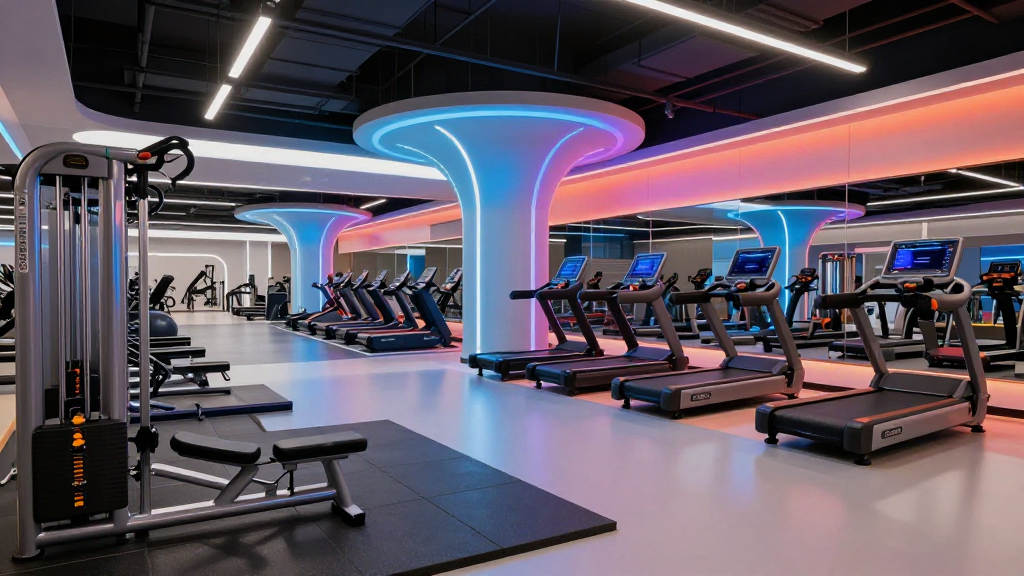
Choosing between a home gym vs. commercial gym often comes down to personal fitness goals, lifestyle, and comfort. Some people love the benefits of a home gym, especially the freedom to do a home workout anytime. Others thrive in the focused environment of a commercial gym, where professional oversight and group classes boost motivation. People who want to avoid distractions at home might see the benefits of a dedicated workout space. Those who value privacy may prefer a home gym, while those craving community enjoy the social side of a commercial gym. Before making a decision about home gym vs. commercial gym, it helps to consider cost, space, equipment, and how each setting fits a daily home workout routine. A simple checklist at the end can help anyone find the right fit for their workout journey.
Key Takeaways
A home gym offers unmatched convenience, allowing workouts anytime without commuting. This flexibility helps maintain a consistent fitness routine.
Commercial gyms provide a wide range of equipment and classes, which can enhance motivation and accountability through community support.
Consider your fitness goals, budget, and lifestyle when choosing between a home gym and a commercial gym. Each option has unique benefits that cater to different needs.
Cost: Home Gym vs. Commercial Gym
Home Gym Investment
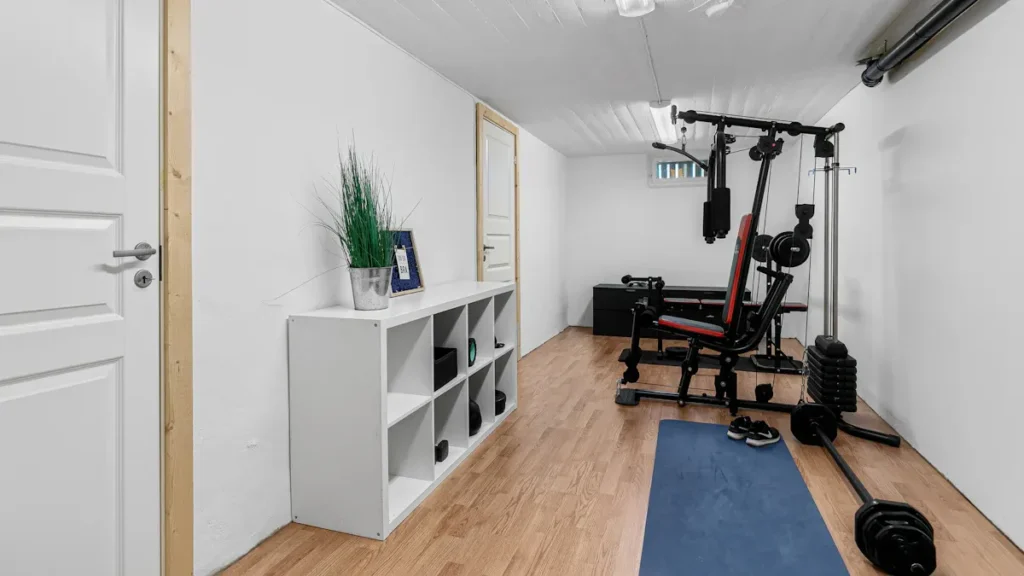
Building a home gym often starts with a big investment. Many people spend between $5,000 and $10,000 to set up a basic home gym. They buy equipment like weights, benches, and cardio machines. Some choose a good balance between functionality and affordability by picking only the essentials. The price depends on the quality and number of items. Home gym costs also include space changes, like new flooring or ventilation. Maintenance and upgrades add to the costs over time. People see the value in owning their own equipment, but they must plan for hidden expenses.
Tip: Home gym owners should budget for yearly maintenance and occasional upgrades to keep their workout space fresh.
| Type of Gym | Hidden Expenses | Estimated Cost |
|---|---|---|
| Home Gym | Space modification (soundproofing, flooring, ventilation) | ~$200 |
| Maintenance (lubricating, replacing cables, fixing equipment) | ~$50–$200/year | |
| Upgrades (adding new equipment to avoid plateaus) | Varies | |
| Utilities (increased electricity usage) | Minor but measurable |
Commercial Gym Fees
A commercial gym membership usually costs about $65 per month in major cities. Some budget gyms charge between $10 and $25 per month. People pay extra for locker or towel service, personal training, and sometimes parking. The costs add up quickly. Many see the value in group classes and professional support, but the price can rise with add-ons. Gym membership fees often surprise people when they include hidden costs.
| Type of Gym | Hidden Expenses | Estimated Cost |
|---|---|---|
| Commercial Gym | Transportation (fuel, parking fees, ride-share costs) | $50–$100/month |
| Time opportunity cost (commuting time lost) | Equivalent to 2.7 workweeks | |
| Locker or towel fees (common at upscale gyms) | $10–$20/month | |
| Personal training (optional but common investment) | $50–$100/session | |
| Membership freezes/cancellations (fees to pause or cancel) | Varies |
Long-Term Savings
Over five years, a home gym offers real savings compared to a commercial gym membership. People pay a high upfront cost, but ongoing costs stay low. Commercial gym membership fees can reach $1,200 each year, while home gym owners spend less after the initial setup. The long-term value becomes clear as the price per workout drops. Many find that a home gym gives them more savings and value over time. They avoid rising gym membership costs and gain control over their fitness routine.
Note: Home gym owners often see better long-term value and savings, especially if they use their equipment regularly.
Convenience and Flexibility
affiliate link
Home Gym Accessibility
A home gym gives people unmatched convenience. They can work out whenever they want. Early mornings, late nights, or quick sessions during lunch all become possible. No one needs to wait for equipment or follow gym hours. This setup supports flexible workouts and helps people stick to their routines. Privacy stands out as a big advantage. They control the music, temperature, and even the dress code. Home gym owners enjoy flexibility because they can fit exercise into busy schedules without leaving the house.
Tip: People who value convenience and privacy often find a home gym fits their lifestyle best.
Commercial Gym Location
A commercial gym offers a different kind of convenience. Many gyms sit close to work or home, making them easy to reach. Some people like the change of scenery and the energy of a busy gym. They can join group classes or meet friends for a workout. The community helps with motivation and accountability. Commercial gyms also provide flexibility with long opening hours and a wide range of classes. However, people must plan around peak times and sometimes wait for machines.
Time Savings
Time matters to everyone. A home gym saves time because there is no commute. People can finish a workout in less than an hour, including warm-up and cool-down. They do not need to pack a bag or wait for showers. This leads to real time savings over weeks and months. A commercial gym can take more time, especially if it is far away or crowded. Still, some people enjoy the social aspect and find the extra time worth it. Both options offer flexibility, but a home gym usually wins for pure convenience.
Equipment and Variety
Home Gym Customization
A home gym gives people the power to choose their own setup. They can pick home gym equipment that matches their favorite exercises. Some people start with a few dumbbells and a bench. Others build a complete home gym with a squat rack, treadmill, and resistance bands. Home gym equipment often fits into small spaces, making it easy to work out in a spare room or garage. People enjoy the freedom to add or swap gear as their needs change. This flexibility helps them create a space that supports their workout variety.
| Feature | Commercial Gym Equipment | Home Gym Equipment |
|---|---|---|
| Usage | Built for high-volume use by multiple users | Designed for lighter, personal training |
| Design | Heavier frames, reinforced components | Individual setup, slower adjustments |
| Resistance Consistency | Smoother, predictable resistance | Often relies on lighter components, can feel uneven |
| Maintenance | Designed for servicing and replacement | Often replaced rather than repaired |
| Space Efficiency | Planned around flow and structured layouts | Focuses on fitting into compact spaces |
| Cost | Higher upfront cost, better long-term value | Lower initial cost, but may not last as long |
Commercial Gym Equipment Range
Defy age on the daily. An optimal intake of vitamins, minerals, and omega-3s in adventure-ready day packs.
A commercial gym stands out for its huge selection of commercial gym equipment. Members find rows of treadmills, ellipticals, and bikes. They see racks of free weights, cable machines, and specialty tools. Commercial gym equipment includes heavy-duty squat racks, plate-loaded machines, and advanced cardio gear. This range supports every fitness level and goal. People can try new exercises and enjoy true workout variety. Commercial gym equipment also offers smooth resistance and quick adjustments. Trainers use commercial gym equipment to teach proper form and keep workouts safe. Many people love the chance to switch up routines and avoid boredom. Commercial gym equipment fills large spaces and supports many users at once. This setup makes it easy to find the right tool for any workout.
Tip: People who want maximum workout variety and access to the latest machines often choose a commercial gym.
Maintenance and Upgrades
Commercial gym equipment gets heavy use every day. Staff check and repair machines often to keep everything running. They plan upgrades and replace old commercial gym equipment on a schedule. This keeps the gym safe and up-to-date. Home gym owners use their equipment less, so they fix or replace items only when needed. They focus on keeping their home gym equipment clean and working. The impact of a broken machine is small at home but can affect many people in a commercial gym.
| Aspect | Commercial Gyms | Home Gym Owners |
|---|---|---|
| Equipment Usage | High usage (12-16 hours/day) | Low to moderate usage |
| Maintenance Frequency | Frequent repairs due to high wear | Infrequent, based on personal use |
| Downtime Impact | Significant impact on member experience | Minimal impact on personal workouts |
| Lifecycle Consideration | Long-term planning for durability | Short-term focus on initial cost |
People who want the latest commercial gym equipment and regular upgrades may prefer a commercial gym. Those who like control over their home gym equipment and want to build a complete home gym at their own pace often choose to work out at home. Both options support workout variety, but the commercial gym equipment range usually wins for sheer choice.
Motivation and Accountability
Home Gym Self-Motivation
A home gym gives people freedom, but it also requires strong self-motivation. Many find it easy to skip a home workout when no one is watching. They need to create habits that keep them moving. Some set up their environment for success by laying out workout gear and planning meals ahead of time. Others use temptation bundling, like listening to a favorite podcast during exercise. Staying hydrated and focusing on recovery helps them stay consistent. People often build accountability by working out with a partner or joining an online community. The case for the home workout grows stronger when they set clear goals and start with small, manageable sessions. A home workout plan removes guesswork and keeps exercise on track.
Tips for staying motivated at home:
Pair exercise with something enjoyable.
Prepare workout clothes and snacks in advance.
Track progress and celebrate small wins.
Commercial Gym Support
A commercial gym offers built-in support. Trainers, group classes, and other members help people stay on track. The energy in a busy gym can push someone to finish a tough exercise. Many find it easier to stick to a workout routine when they see others working hard. Scheduled classes and personal trainers add structure. The case for the home workout may seem strong, but some need the accountability that comes from a commercial gym environment.
Avoiding Distractions
Distractions can ruin a good exercise session. At home, chores, family, or screens can pull attention away from a home workout. People must set boundaries and create a dedicated space for exercise. In a commercial gym, distractions come from crowds or waiting for equipment. Both settings require focus. The best choice depends on how someone handles interruptions and what keeps them motivated to exercise.
Space and Comfort
Home Gym Setup
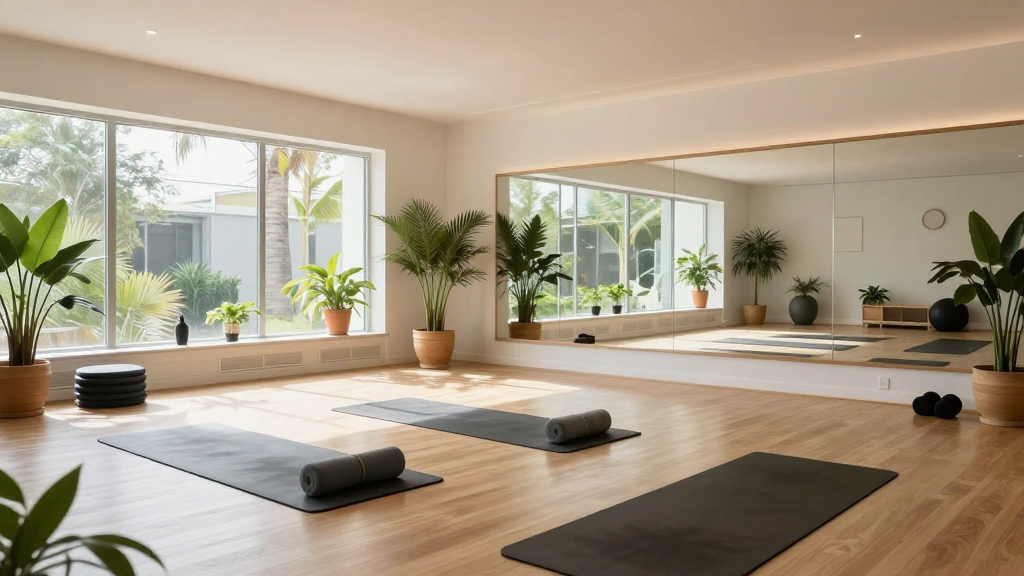
A home gym can fit almost anywhere with a little planning. Some people use a corner of a room, while others turn a garage into a full workout space. The amount of space needed depends on the equipment and how much someone wants to move around. Here’s a quick look at common setups:
| Garage Size | Space Required |
|---|---|
| Single-car garage | 200-250 square feet |
| Two-car garage | 400-500 square feet |
| 10×10 foot corner | Sufficient with proper organization |
People who organize their home gym well can get a lot out of even a small area. They can add mirrors, mats, or storage racks to make the space feel bigger and more comfortable.
Commercial Gym Amenities
A commercial gym offers more than just machines and weights. Members enjoy extra perks that make workouts easier and more enjoyable. Many gyms provide water stations, free weights, and even 24/7 access. According to recent surveys, 83% of renters say on-site fitness centers are important or essential. Other popular amenities include:
Free weights for strength training
Water stations for hydration
24/7 access for flexible schedules
These features help people stay motivated and comfortable during their workouts. A commercial gym often feels like a second home for those who value variety and convenience.
Privacy
Privacy and comfort matter to many people when choosing where to exercise. Some feel nervous about working out in front of others. A home gym removes social pressure and lets people relax. As one fitness expert explains:
For many, the biggest “pro” in the home workout column is the complete removal of social friction. There is no “performance anxiety.” You can wear your oldest, holiest t-shirt, blast your favorite questionable music, and grunt as loud as you want without a single judgmental glance. For individuals who are just starting their fitness journey, this privacy can be the difference between sticking with a program and quitting out of embarrassment.
A commercial gym may offer more equipment and amenities, but a home gym gives people the freedom to be themselves. Each person must decide which environment helps them feel most at ease.
Social and Community

Home Gym Isolation
A home gym gives people privacy and control, but it can feel lonely. They work out alone most of the time. There are no friendly faces or casual chats between sets. Some people like this quiet space. They focus better without distractions. Others miss the energy that comes from being around other fitness fans. A home gym does not offer the same sense of community. People who need social support may find it harder to stay motivated at home.
Tip: Those who choose a home gym can join online fitness groups or invite friends over to add a social element.
Commercial Gym Networking
A commercial gym brings people together. Members often see familiar faces and make new friends. Many gyms organize special events where members can meet and connect. These events help people build relationships and feel like part of a team. Staff encourage members to share their progress on social media. This creates a sense of belonging and recognition. In fact, most members say community matters more than equipment. Gyms highlight group activities and member achievements online, which attracts new people and keeps current members engaged.
Ways commercial gyms build community:
Hosting networking events for members
Sharing member stories and achievements on social media
Encouraging members to tag the gym in workout posts
Group Classes
Group classes are a big draw at a commercial gym. They offer a chance to meet others with similar goals. People join classes like yoga, cycling, or HIIT. The group setting adds energy and fun to each session. Instructors lead the way and help everyone stay on track. Members cheer each other on and celebrate progress together. This support can make workouts feel less like a chore and more like a team effort. A home gym rarely offers this kind of group experience, unless people join virtual classes or invite friends to join in.
Choosing Your Gym
Lifestyle Assessment
Everyone has a different daily routine. Some people rush from work to home with little time to spare. Others have flexible schedules or work from home. When comparing home vs commercial gym, lifestyle plays a big role in choosing the right option. Here are some important factors to consider:
Time and Transportation: Commuting to a commercial gym can take up valuable time and money. People who want to avoid traffic or save on gas may prefer a home gym.
Consistency and Usage: Studies show that people with home equipment exercise 30% more often than those who rely on a commercial gym. More frequent workouts can lead to better results.
Flexibility and Privacy: Home gyms allow workouts at any hour. This is perfect for those with changing schedules or who want to avoid crowded spaces.
Tip: Think about when and where you feel most comfortable working out. If you value privacy and flexibility, a home gym might fit your lifestyle best.
Fitness Goals
Fitness goals shape the decision between a home gym and a commercial gym. People who want to stay healthy or improve general fitness can do well with simple equipment at home. They can use dumbbells, resistance bands, or a treadmill to reach their goals. For those who want to build muscle or train for a sport, a commercial gym offers more options. Advanced equipment and machines help target specific muscles and support athletic training.
As fitness goals shift from general health to advanced performance, the gap in equipment becomes clear. Commercial gyms provide a wide range of machines and tools. This variety helps people train for muscle growth or sports. On the other hand, those who focus on health and longevity can see great results with basic home workouts.
Note: Choose the gym that matches your fitness goals. If you need special machines or want to try new classes, a commercial gym may be the better choice.
Budget Review
Money matters when choosing the right option. Both home gyms and commercial gyms have costs, but they look different. Here’s a quick comparison:
| Factor | Home Gym | Commercial Gym |
|---|---|---|
| Initial Cost | $1,500 – $2,500 | Monthly fees of $40 – $60 |
| Annual Cost | $0 after setup | $480 – $720 |
| Cost Over 5 Years | $1,500 – $2,500 | $2,400 – $3,600 |
| Break-Even Point | 2–3 years | No break-even point |
| Hidden Costs | Minimal | Joining fees, trainer fees |
| Long-Term Value | High | Medium to Low |
A home gym requires a bigger payment at first, but saves money over time. Commercial gyms spread the cost out, but the total adds up. People who plan to work out for years may find a home gym gives better value.
Motivation Style
Motivation looks different for everyone. Some people love the energy of a busy gym. Others focus better alone. Working out at home removes barriers like travel and packing a gym bag. This helps people with busy lives stay consistent. However, a commercial gym creates a special space for exercise. The environment can boost focus and drive. People who need a push or enjoy group classes may do better in a commercial gym.
Ask yourself: Do you like working out alone, or do you need others around to stay motivated? Your answer can help you pick the best gym for your needs.
Space Check
Space can make or break a home gym. Not every home has room for large machines or weights. Before buying equipment, measure the area and plan your setup.
Equipment that barely fits creates unsafe setups and rushed movement. Measure first. Always.
People with limited space may find a commercial gym more practical. Those with a spare room or garage can build a great home gym.
Practical Checklist for Choosing the Right Option
Use this checklist to help decide which gym fits your life:
Do you have time to travel to a gym, or do you need to save time?
Are you more consistent when you work out at home?
Do you want privacy, or do you enjoy a social workout environment?
What are your main fitness goals? Do they require special equipment?
Can you afford the upfront cost of a home gym, or do you prefer monthly payments?
Do you have enough space at home for safe workouts?
What motivates you more: being alone or being part of a group?
Choosing the right option means looking at your lifestyle, goals, budget, motivation, and space. There is no one-size-fits-all answer. The best gym is the one that helps you stay active and reach your fitness goals.
Choosing between a home gym and a commercial gym depends on personal needs. Busy professionals may save time with a home gym, while families enjoy privacy. Fitness enthusiasts often prefer the variety at commercial gyms. Trying both options helps people find what fits best. Use the checklist to guide your decision.
FAQ
Is a home gym better for beginners?
A home gym works well for beginners who want privacy. They can start slow, learn at their own pace, and avoid feeling judged.
How much space does a home gym need?
Most people can fit a basic home gym in a 10×10 foot area. They can use a spare room, garage, or even a corner.
Can someone get strong without a commercial gym?
Yes! Many people build strength at home using free weights, resistance bands, or bodyweight exercises. Consistency matters more than location.
Conclusion
In conclusion, the decision between a home gym and a commercial gym ultimately hinges on individual preferences, goals, and constraints. Both options offer distinct advantages that cater to various lifestyles and fitness aspirations. A home gym provides unparalleled convenience, privacy, and the flexibility to tailor workouts to personal schedules, making it an attractive choice for those who value autonomy and efficiency. On the other hand, commercial gyms offer a dynamic environment filled with diverse equipment, professional guidance, and the motivational boost of a communal setting, ideal for individuals seeking variety and social interaction.
By carefully considering factors such as budget, space, personal motivation, and desired amenities, you can select the gym setting that best aligns with your fitness journey. Remember, the key to achieving success in any fitness endeavor lies in consistency, dedication, and a commitment to your health and well-being. Whether you opt for the comfort of your living room or the energizing atmosphere of a commercial gym, the most important aspect is finding a routine that inspires and sustains your progress.