Emotional Fitness Training: Building Resilience
Science shows that emotional fitness training helps people handle anxiety and bounce back from setbacks. Many adults experience less anxiety and stronger emotional resilience through regular emotional fitness training. Research links emotional fitness training to better self-efficacy and emotion regulation, which eases anxiety. Even busy professionals can fit emotional fitness training into their daily routines. Emotional fitness training empowers individuals to face anxiety, adapt, and recover.
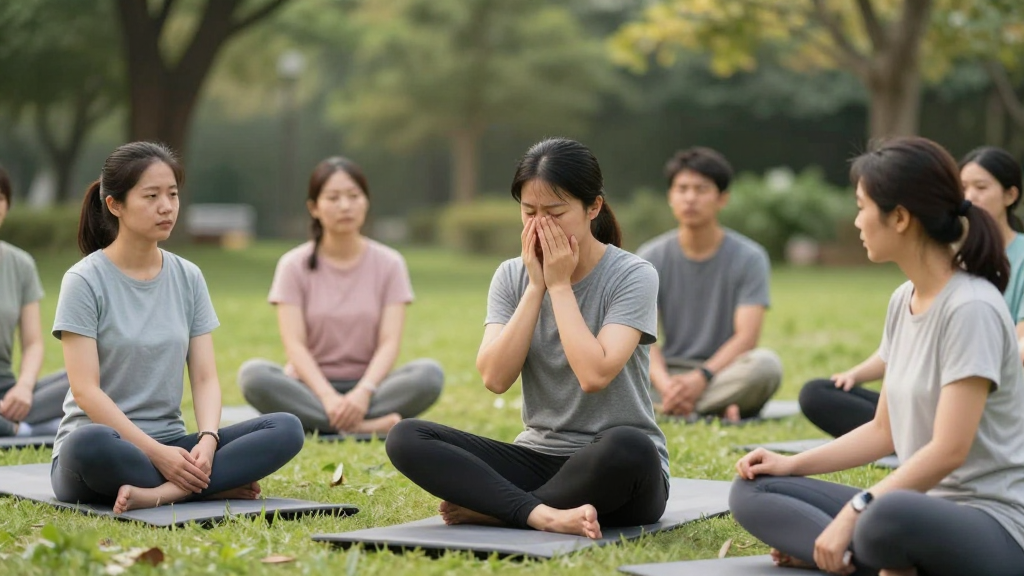
Psychological findings reveal:
Exercise intensity predicts emotion regulation and self-efficacy.
Emotional fitness training reduces anxiety and increases emotional strength.
affiliate link
Key Takeaways
Emotional fitness training helps reduce anxiety and build resilience, making it easier to handle life’s challenges.
Incorporate quick techniques like box breathing and savoring positive moments into your daily routine to enhance emotional strength.
Regular physical activity, such as aerobic exercises and mindful practices like yoga, significantly boosts mood and supports mental health recovery.
Why Emotional Fitness Training Matters

Emotional Fitness and Adaptability
Emotional fitness training helps people adjust to new situations and manage stress. Individuals who practice emotional fitness often show greater empathy and better communication skills. These qualities support adaptability in both personal and professional settings.
Emotional fitness training helps people recover quickly from setbacks.
Maintenance habits, such as regular exercise and self-reflection, prevent emotional collapse.
The U.S. Army’s resilience program shows that these practices can decrease depression and improve life satisfaction.
Over time, emotional fitness training builds psychological resources that support long-term adaptability.
People who focus on emotional fitness often report higher levels of well-being. They handle daily challenges with more confidence and flexibility. This approach supports mental well-being and helps people thrive in changing environments.
Benefits for Mental Health Recovery
affiliate link
Emotional fitness training offers strong support for mental health recovery. Research highlights several benefits for people of all ages and backgrounds.
| Evidence Description | Key Findings |
|---|---|
| Structured exercise can match or surpass psychotherapeutic interventions | Regular aerobic activities show comparable improvements in depressive symptoms. |
| Personalized exercise programs enhance adherence and effectiveness | Tailored activities foster better connection and contribute to improved mental health outcomes. |
| Consistent physical activity promotes neuroplasticity and cognitive function | Leads to better coping mechanisms and resilience over time. |
| Exercise can be as effective as medication for mild to moderate depression | Significantly reduces symptoms of anxiety. |
| Physical activity boosts neurotransmitter production | Enhances mood and cognitive functions, beneficial for ADHD and anxiety recovery. |
Regular emotional fitness training improves well-being by boosting mood and building resilience. These benefits make it a valuable tool for anyone seeking better mental health recovery.
The Science Behind Mental Fitness
Brain Training and Neuroplasticity
Neuroplasticity describes the brain’s ability to change and adapt. Regular physical activity, such as resistance training and aerobic exercise, increases neurotrophic factors and supports neuron growth. These changes improve cognitive performance, especially in older adults. Science shows that resistance training can increase hippocampus volume and reduce inflammation. A twelve-month program improved functional plasticity in regions of the brain linked to cognitive tasks.
| Trait/Practice | Description |
|---|---|
| Purpose | The cornerstone of mental strength; provides a compelling reason to endure. |
| Willpower | The muscle of the mind; enables principled action over impulse. |
| Emotional Regulation | Involves managing one’s internal states effectively. |
| Adaptability | The ability to adjust to new conditions and challenges. |
| Compassion | Empathy towards oneself and others, fostering connection. |
| Curiosity | Drives learning and growth through exploration. |
Practices like gratitude and expressive writing help rewire neural pathways. These activities promote emotional healing and growth through adversity. Community support and mentorship also play a key role in building resilience.
Stress Response and Recovery
Science-backed mental fitness techniques help regulate the body’s response to stress. Slow, intentional breathing shifts the autonomic nervous system toward recovery. Individuals who practice slow breathing experience reduced anxiety and better stress regulation. Cognitive reappraisal allows people to move from a reactive to a responsive state. Effective stress management supports recovery and performance under pressure.
Longitudinal studies show that resilience programs foster neuroplasticity and improve stress tolerance. These programs use holistic frameworks and real-time skill-building activities. Family, friends, and community networks enhance recovery capacity and adaptability.
Science-Backed Exercises for Emotional Fitness
Aerobic Activity and Mood
Aerobic activity stands out as one of the most effective science-backed exercises for emotional fitness. Walking, jogging, cycling, and swimming all fall under aerobic exercise. These exercises increase heart rate and stimulate blood flow, which helps the brain release dopamine, serotonin, and endorphins. These chemicals play a key role in improving mood and emotional regulation.
Researchers have found that high-intensity interval training (HIIT) and extended aerobic exercises like running and cycling can boost emotional intelligence and resilience. Moderate exercise improves mood, while strenuous exercise may sometimes lower mood, especially in people with depression. University students who participated in aerobic exercise reported less anxiety and depression. The duration and type of exercise, such as cycling or treadmill running, led to better psychological health and overall mood.
| Evidence Type | Findings | Details |
|---|---|---|
| BDNF Response | Increased BDNF levels | Physical exercise leads to elevated plasma BDNF (pBDNF) and serum BDNF (sBDNF) levels, especially after aerobic exercise. |
| Neurogenesis | Enhances neurogenesis | Exercise is linked to improved neuroplasticity and cognitive function, which can reduce psychiatric symptoms. |
| Mechanism | Neuroprotective effects | Exercise promotes neuronal survival, angiogenesis, and reduces inflammation, supporting brain health. |
Regular physical activity enhances blood flow to the brain, which increases the release of dopamine, serotonin, and endorphins. These hormones significantly improve mood and emotional regulation.
People who engage in structured exercise three to five times per week, for at least 20 to 60 minutes per session, experience measurable benefits. Even short bursts of exercise, such as a brisk 10-minute walk, can lift mood and reduce stress.
Mindful Exercise (Yoga, Pilates)
Mindful exercise, including yoga and Pilates, combines movement with mindfulness and breath control. These exercises activate the parasympathetic nervous system, which helps the body relax and recover from stress. Yoga postures, especially twists and forward folds, and Pilates routines encourage gentle movement and deep breathing.
Pilates enhances neuroplasticity, improving emotional regulation and cognitive function. It also helps regulate cortisol levels and promotes feelings of well-being. Mindfulness during exercise increases emotional self-regulation and psychological well-being. Tai Chi, another mindful movement practice, has shown positive effects on mood and self-compassion.
| Exercise Type | Description | Best For |
|---|---|---|
| Yoga (Twists & Forward Folds) | Activates the parasympathetic nervous system through gentle movement. | Daily or weekly nervous system regulation and stress relief |
| Pilates | Enhances neuroplasticity and emotional regulation. | Improving cognitive function and emotional fitness |
| Tai Chi | Combines movement and mindfulness for emotional balance. | Positive affect and self-compassion |
Yoga has proven to lower cortisol levels, enhance parasympathetic nerve activity, and improve emotional resilience. Regular practice leads to better sleep, reduced fatigue, and improved overall well-being. Yoga and Pilates serve as accessible tools for stress management, addressing both physical and mental aspects of stress.
Exercise acts as a natural antidepressant by promoting endorphin release and reducing stress hormones like cortisol, which contributes to better mood regulation.
Quick Techniques for Busy Professionals
Busy professionals often struggle to find time for exercise for mental health. Quick techniques can help build emotional fitness without a major time commitment. Box breathing is a simple method that involves inhaling, holding, exhaling, and holding again for four seconds each. This technique activates the parasympathetic nervous system and reduces stress hormones.
Savoring a positive moment is another effective exercise. Pausing to recognize and appreciate a good experience can reset the nervous system and improve clarity. Controlled laughter, guided meditation, and short mindful movement breaks also support daily mood and resilience.
Box Breathing: Inhale for 4 seconds, hold for 4 seconds, exhale for 4 seconds, hold for 4 seconds.
Savoring a Positive Moment: Pause and focus on a pleasant experience.
Controlled Laughter: Engage the vagus nerve for immediate anxiety relief.
Safe Place Guided Meditation: Prepare for stressful situations and build daily resilience.
Engaging in regular physical activity can lower the risk of major depression by 26% and stimulates neurogenesis, which is vital for mood regulation and memory.
Experts recommend three to five sessions per week, each lasting 20 to 60 minutes. Even short, structured exercise sessions can provide significant benefits. Integrating physical and mental fitness through these exercises helps people build resilience and emotional strength.
Building a Mental Fitness Routine
Daily Practices for Emotional Strength
A strong mental fitness routine starts with small, consistent actions. People can use five-minute check-ins to reflect on their feelings each day. Mindful breathing exercises help calm the nervous system and reduce stress. Gratitude practice, such as listing three positive things each evening, shifts focus to good experiences. Thought challenging helps break negative thinking patterns and builds confidence.
Research shows that support from others, like teachers or mentors, helps people manage stress and build resilience. Consistent self-care practices, including mindfulness, can change brain structure in ways that improve emotional processing. Tracking progress in a journal or app helps people see their growth and stay motivated. Celebrating small wins boosts confidence and keeps commitment strong.
Tip: Start with enjoyable activities to make mental fitness routines engaging and joyful. Flexibility and self-compassion help people adapt routines as life changes.
Combining Physical and Mental Training
Combining physical and mental training creates a balanced approach to mental fitness. Regular physical activity, such as walking or yoga, releases endorphins that lift mood and support emotional resilience. Mindfulness practices, like meditation, work together with exercise to improve overall well-being.
A holistic mental fitness routine recognizes the connection between body and mind. People often face barriers such as lack of time, motivation, or social support. Starting slowly, finding a workout partner, and keeping activities interesting can help overcome these challenges. Tracking progress and celebrating achievements make routines sustainable.
A balanced lifestyle that includes physical activity, emotional resilience, and mindfulness leads to better mental fitness outcomes. This approach helps people handle stress, adapt to change, and thrive in daily life.
Real-Life Recovery Stories

Overcoming Setbacks with Emotional Fitness Training
Many individuals experience setbacks during their journey toward recovery. Emotional fitness training offers a science-based approach to recovery that helps people rebuild confidence and physical capacity. Participants in structured exercise programs report significant improvements in their ability to manage stress and overcome depression. They often describe a sense of community as a key motivator. One instructor observed, “They came for the training, but stayed for the group.” This connection supports long-term recovery and encourages social engagement.
Participants gain physical strength and confidence.
Group support motivates continued participation.
Many women maintain active lifestyles after the program ends.
One woman shared her experience with recovery, saying, “At first, I couldn’t look at myself without feeling sad… But as I continued with exercise, I started to see my body differently, not as damaged but as resilient.” This shift in self-perception highlights the power of emotional fitness training in overcoming depression and building resilience.
| Aspect | Emotional Fitness Training (EET) | Traditional Mental Health Interventions |
|---|---|---|
| Focus | Enhancing emotion efficacy | Symptom reduction |
| Target Group | Emerging adults | General mental health population |
| Outcomes | Improved emotional, social, and psychological well-being | Primarily symptom alleviation |
| Psychological Distress | Lower levels reported post-intervention | Not specifically targeted |
Workplace Mental Health Recovery
Workplaces increasingly recognize the importance of emotional fitness for recovery from depression and anxiety. Many organizations offer programs that teach practical skills for managing stress and building resilience.
Opposite Action encourages employees to pause and assess emotional responses.
Practicing Gratitude helps staff focus on positive aspects and balance stress.
Counseling Access provides therapy sessions for employees.
Mental Health Training offers workshops on stress management.
Mindfulness Programs include meditation and relaxation techniques.
These programs help employees recover from depression and maintain emotional strength. They also foster a supportive environment where recovery becomes part of the workplace culture. Emotional fitness training in the workplace leads to better outcomes for individuals and teams.
Emotional fitness training uses daily practices to build resilience and support mental health recovery.
Neuroplasticity changes the brain through repeated mental exercises.
Gratitude journaling and mindfulness improve coping skills.
HRV biofeedback regulates stress.
| Evidence Type | Description |
|---|---|
| Physical Activity | Meaningful exercise boosts psychological outcomes. |
| Emotion Regulation | Managing emotions improves mental health. |
| Psychological Resilience | Awareness and flexibility strengthen emotional regulation. |
FAQ
What is emotional fitness training?
Emotional fitness training uses science-based exercises to strengthen emotional regulation, resilience, and stress management. People practice activities like aerobic exercise, mindfulness, and gratitude journaling.
How often should someone practice emotional fitness exercises?
Experts recommend three to five sessions each week. Short daily practices, such as mindful breathing or gratitude journaling, also help build emotional strength and resilience.
Can emotional fitness training help with workplace stress?
Emotional fitness training improves stress management and emotional regulation. Employees who use these techniques report better focus, mood, and teamwork in the workplace.
https://focusofwellness.com/index.php/2026/01/22/5-reasons-sleep-tourism-is-the-next-big-travel-trend/
Conclusion
In conclusion, Emotional Fitness Training provides a comprehensive approach to enhancing one’s emotional well-being and resilience. By integrating practical strategies and mindful practices, individuals can develop a deeper understanding of their emotions and cultivate a more balanced and fulfilling life. This training not only equips participants with tools to navigate personal challenges but also fosters improved interpersonal relationships and professional growth. As emotional fitness becomes an increasingly vital component of overall health, investing in these skills promises to yield long-lasting benefits. Embrace the journey toward emotional fitness and empower yourself to thrive in all aspects of life.