5-Minute Micro-Wellness: Quick Energy Fixes
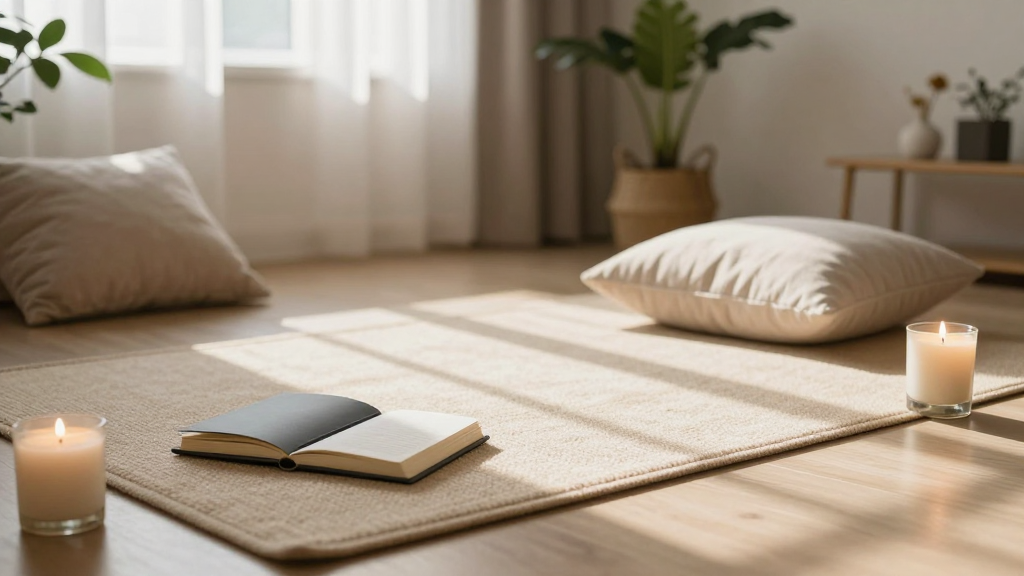
In our fast-paced world, micro-wellness practices offer a refreshing way to enhance well-being in just minutes. Defined as short, intentional routines, these practices seamlessly fit into your workday, lasting between 2 to 10 minutes. They aim to improve employee well-being without disrupting workflows, making them more sustainable and effective.
affiliate link
“Quick Benefits: Even short, intentional wellness practices can replace more elaborate routines.”
Integrating micro-wellness into daily life can significantly improve physical and mental wellness. They promote stress reduction, activate the parasympathetic nervous system, and enhance emotional wellbeing. The flexibility and accessibility of these practices make them especially appealing. This article serves as a guide to ten simple, science-backed mini-breaks that you can sprinkle throughout your day. Dive in to discover how to transform your routine with these quick wellness snacks.
Box-Breathing Ladders
Box breathing, also known as square breathing, is a powerful technique that can help reduce stress and improve focus. This simple exercise involves deep, intentional breathing that regulates the autonomic nervous system, lowering blood pressure and cultivating a sense of calm. By creating a rhythmic pattern, it enhances concentration, making it particularly beneficial for those dealing with anxiety or panic disorders.
Step-by-Step Guide:
Preparation
Sit upright in a comfortable chair with your feet flat. Ensure a quiet environment, and keep your hands relaxed in your lap.
Step 1: Slowly Exhale
Exhale slowly through your mouth, releasing all the air from your lungs. Focus on this action.
Step 2: Slowly Inhale
Inhale deeply through your nose for a count of 4, filling your lungs completely.
Step 3: Hold Your Breath
Hold your breath for a count of 4, maintaining focus.
Step 4: Exhale Again
Exhale through your mouth for the same count of 4, emptying your lungs.
Step 5: Hold Your Breath Again
Hold for another count of 4 before repeating.
Practicing box breathing several times a day can significantly enhance mental clarity and mood. Its calming effects, supported by a scientific study, make it a valuable tool for stress management and energy boosting.
Desk-Chair Mobility Flows
Prolonged sitting at your desk can lead to poor circulation and health issues. Integrating simple desk-chair mobility flows can significantly improve circulation, posture, and energy levels. Here are a few exercises to try:
Neck Rolls: Gently roll your head in a circular motion to relieve neck tension and improve blood flow.
Seated Leg Extensions: Extend one leg out in front, hold for a few seconds, then switch. This boosts circulation and strengthens leg muscles.
Isometric Muscle Strengthening: Press your palms together in front of your chest for 10 seconds to engage arm and shoulder muscles.
Chair Squats: Stand up and sit back down without using your hands for support, engaging core and leg muscles.
These exercises can be performed discreetly at your desk, requiring minimal time and space. Set reminders to incorporate these movements throughout your day, enhancing focus and productivity through improved oxygen flow to the brain.
| Benefit | Before | After |
|---|---|---|
| Circulation | Poor | Improved |
| Posture | Slouched | Upright |
| Energy Levels | Low | Boosted |
By efficiently incorporating these exercises, you can transform your workday, keeping your body and mind sharp without significant time commitments.
affiliate link
Screen-Gaze Resets
Extended periods of screen time can wreak havoc on your eye health and concentration. The blue light emitted from screens can lead to conditions like digital eye strain, causing sore eyes, headaches, and even Dry Eye Syndrome. To alleviate these symptoms, incorporating screen-gaze resets into your routine is essential.
Follow the 20-20-20 Rule: Every 20 minutes, look at something 20 feet away for 20 seconds.
Rest Your Eyes: Take a 15-minute break after two hours of continuous screen use.
Blink Frequently: Consciously blink more often to keep your eyes moist.
Adjust Your Screen Position: Position your screen 15 to 20 degrees below eye level.
Optimize Lighting: Use blinds or drapes to reduce screen glare.
These simple steps can dramatically improve your eye health and concentration. Over time, regular screen breaks can prevent the progression of myopia and other vision problems. They also help in improving sleep quality by minimizing blue light exposure, making you feel more refreshed and focused throughout the day.
60-Second Gratitude Taps
Gratitude is more than just a fleeting feeling; it has profound effects on our brain and mood. Engaging in gratitude activates areas of the brain associated with reward, creating feelings of happiness and contentment. Regularly practicing gratitude can lead to long-term positive changes, enhancing emotional wellbeing and resilience. This makes gratitude a powerful tool for mental health.
Incorporate gratitude taps into your routine by taking just 60 seconds each day to focus on what you are thankful for. Consider setting a timer on your phone and during that minute, reflect on three things you appreciate. This can be done while waiting for your coffee or during a quick break at work. You may also choose to share these thoughts with a gratitude partner to enhance accountability and motivation.
Real-life examples underscore the benefits of gratitude. According to research, families expressing gratitude around the dinner table experience improved dynamics, even on tough days. Moreover, gratitude links to better sleep, lower depression risks, and even longevity. Embracing gratitude taps can offer a quick yet impactful boost to your day.
affiliate link
Trackable Results
Measuring the impact of micro-wellness practices is essential to understanding their true benefits. Start by defining clear metrics such as energy levels, productivity, and overall well-being. Tracking these metrics can be challenging, but they provide valuable insights into practice effectiveness.
Statistics reveal that taking regular breaks, similar to micro-wellness practices, boosts productivity by 13% and enhances work-life balance by 62% (source). Employees who incorporate these short wellness practices are likely to experience similar improvements, making their workday more efficient and less stressful.
To maintain consistency, it’s important to integrate practices into your daily routine. Use strategies like setting SMART goals and breaking down tasks into manageable milestones (source). Tracking progress through journals or apps can reinforce commitment, helping establish these practices as a routine part of your life.
FAQ on Micro-Wellness Practices
Q: What are micro-wellness practices?
A: Micro-wellness practices are short, simple activities designed to improve your well-being and energy levels in as little as five minutes. They can be seamlessly integrated into your daily routine, offering substantial benefits without requiring significant time commitments.
Q: How often should I practice micro-wellness techniques?
A: Ideally, try to incorporate these practices throughout your day, especially during work breaks. Research shows that regular breaks can boost productivity by 13% and improve work-life balance by 62% (source).
Q: Are these practices scientifically effective?
A: Yes, many micro-wellness practices are backed by science. For instance, box-breathing can reduce stress and improve concentration. While some results can vary, setting clear metrics helps in evaluating their impact.
Q: Can these practices replace longer wellness routines?
A: While micro-wellness practices are beneficial, they are not a replacement for comprehensive wellness routines. They serve as an excellent supplement, especially on hectic days.
By addressing these common questions, it’s clear how micro-wellness practices can fit into and enhance your daily life. Integrating these short, effective techniques can lead to noticeable improvements in your overall well-being and productivity.
https://focusofwellness.com/index.php/2025/12/09/7-effective-techniques-to-spot-and-stop-digital-burnout-before-it-starts/
Conclusion
Incorporating micro-wellness practices into your daily routine can have profound effects on your energy, focus, and overall well-being. These simple yet effective techniques, from box-breathing to screen-gaze resets, offer science-backed benefits without requiring significant time or resources. Research supports that regular breaks and mindful practices can increase productivity by up to 13% and significantly improve work-life balance.
Make a commitment to integrate these practices into your day. Start small, perhaps with a quick gratitude tap or a mobility flow during your lunch break. By embedding these habits into your routine, you can reclaim energy and enhance your productivity. Begin today and witness the positive changes unfold in just minutes. Learn more about how to maintain consistency in your wellness journey.