Best Practices for Online Job Searching and Applications

Online job search works best when you act quickly, plan your steps, and try more than one website. Many job seekers now use the internet to find work. For example:
| Year | Percentage of Unemployed Jobseekers Using Internet for Job Search |
|---|---|
| 2000 | 25.5% |
| 2011 | 76.3% |
Still, you want to stand out. Most jobs go to people who network, not just those who send online applications. If you start your job hunt early and follow smart job search tips, you can improve your job search experience and boost your chances in Job Search and Hiring.
Key Takeaways
affiliate link
Use many job websites to find more jobs. Check big job boards, special sites, and company pages. Set job alerts to apply early.
Keep your online profiles professional and up to date. Use important keywords on LinkedIn. This helps recruiters notice you. It can help you get interviews.
Look up companies and read job descriptions before you apply. Change your resume and cover letter to match what employers want.
Begin your job search early. Focus on good applications that fit your skills. Stay organized by tracking your applications. Follow up in a polite way.
Take care of your online presence. Clean up your social media. Build a strong personal brand. Network online to find new job chances.
Online Job Search Platforms
When you begin looking for a job, you need to know where to search. The internet gives you many choices for finding jobs online. You can use big job boards, special websites for your field, and company career pages. Each one helps you find jobs in its own way. Let’s see how you can use these platforms to get the best job chances.
Major Job Boards
Many people start with major job boards. These sites have thousands of jobs every day. You can look for jobs by title, place, or remote work. Here is a quick look at the most popular job boards and what makes them special:
| Platform | Monthly Visits (Millions) | Key Features and Strengths | Notable Points |
|---|---|---|---|
| 551.6 | Networking, high-quality job listings, job alerts | Largest user base; strong social networking for referrals and direct contact with recruiters | |
| Indeed | 176.8 | Massive job diversity, company reviews, user-friendly | Claims largest job site worldwide; ~10 jobs uploaded every second |
| ZipRecruiter | 30.3 | Mobile app experience, quality search results, job alerts | Highly rated mobile app; “Quick Apply” feature; notifications for recommended jobs |
| Glassdoor | 27.7 | Salary info, company reviews | Best for pay transparency and company insights; large database of reviews and salaries |
| Simplify | 1.3 | AI autofill for applications, time-saving tools | AI Copilot browser extension; helps speed up applying; smaller user base but innovative tools |
You can use filters to find remote, part-time, or full-time jobs. Most sites let you set up job alerts. When you do this, you get a message when new jobs match what you want. This helps you apply early and get noticed. Many people say job alerts save time and help them focus on the right jobs.
Tip: Don’t only look at the first page of results. New jobs show up all the time, so check often and change your filters.
Niche and Industry Sites
If you want a job in a certain field, niche job boards can help a lot. These sites focus on one industry or skill, like tech, healthcare, or remote work. You will see fewer jobs, but they fit your skills better. This means you spend less time looking at jobs that are not right for you.
Here is how niche job boards compare to major job boards:
| Aspect | Major Job Boards | Niche/Industry-Specific Job Boards |
|---|---|---|
| Candidate Volume | High volume, varied applicants | Fewer, highly qualified candidates |
| Recruitment Efficiency | Lower, more screening needed | Higher, more relevant and pre-qualified |
| Time-to-Hire | Longer due to irrelevant applications | Shorter due to targeted candidate pools |
| Quality of Hire | Variable, often lower | Higher, better quality-of-hire metrics |
| ROI | Lower, due to volume over quality | Higher, despite sometimes higher upfront cost |
| Candidate Engagement | General, less industry-specific | Strong community engagement and industry focus |
| Use Case | Entry-level, general roles | Specialized, skilled roles |
You can use both types of job boards to help your search. For example, you might use a big site to see many jobs, but also check a niche site for remote tech jobs. This way, you do not miss any job chances.
Note: Niche job boards often have strong groups. You can meet people in your field and learn about jobs before they are posted.
Company Career Pages
Many companies post jobs only on their own websites. When you apply through a company’s career page, your application goes straight to them. This can help you stand out from people who use only job boards.
Here are some reasons to use company career pages:
You get the newest job postings.
Your resume goes right to the company’s system.
You can learn about the company’s culture and values.
Also you may find remote jobs or special jobs not listed anywhere else.
You can add extra files, like a portfolio or a personal note.
You avoid hidden fees or middleman problems.
Applying directly shows you care about the company. You also get to see more about the job and what the company wants. Many companies let you sign up for job alerts on their pages, so you never miss new jobs.
Tip: Make a list of your favorite companies. Check their career pages often and set up job alerts if you can.
affiliate link
Why Use Multiple Platforms?
You should not use just one site for your job search. Each platform has different jobs and postings. Some jobs are only on company pages, while others show up first on niche boards. By using a mix of job boards, niche sites, and company career pages, you see more jobs and have a better chance to find one that fits you.
Remember: The more places you look, the more jobs you find. Set up job alerts on every platform you use. This way, you stay ahead and apply early for the best jobs, including remote ones.
Optimizing Your Profile
Your online profile is your first impression when you search for a job. Most employers check your social media before they decide to hire you. In fact, about 70% of employers look at your online profiles, especially on sites like LinkedIn, before making a decision. If you want to stand out and get more jobs, you need to keep your profiles fresh and professional.
LinkedIn Essentials
A strong LinkedIn profile helps you get noticed for the right jobs. Recruiters look for more than just your job titles. They want to see your experience, your skills, and how you show your achievements. Here’s what you should focus on:
Use a clear, professional photo.
List your job experience and education. Show what you did and what you achieved, like finishing a big project or helping your team grow.
Add your top skills and ask for endorsements from people you have worked with.
Share posts, comment on industry news, and join groups. This shows you care about your field.
Ask for recommendations from coworkers or managers. These give proof of your work ethic.
Follow companies and groups that match your job interests.
Tip: Keep your LinkedIn profile updated. Recruiters notice when you are active and engaged.
Other Professional Profiles
Don’t stop at LinkedIn. Many jobs need you to have other profiles, too. For creative jobs, you might need a portfolio site. For tech jobs, you could use GitHub or Stack Overflow. Make sure all your profiles match your job goals and show your best work. Always use a professional photo and keep your information up to date.
Using Keywords
Using the right keywords in your profiles helps you show up in more job searches. Recruiters use keywords to find people with the right skills. If you add the right words to your LinkedIn profile, you can get up to 21 times more views and appear 27 times more often in recruiter searches.
| Metric | Impact of Using Relevant Keywords in LinkedIn Profiles |
|---|---|
| Increase in profile views | Up to 21 times more views |
| Increase in connection requests | 5 times more connection requests |
| Frequency in recruiter searches | Appear 27 times more often |
Put keywords in your headline, About section, and skills list. For example, if you want a sales job, use words like “B2B sales” or “lead generation.” If you want a tech job, add words like “AI” or “cloud computing.” Tools like LiSeller can help you find trending keywords and keep your profile fresh. This makes it easier for recruiters to find you and offer you jobs.
Research Before You Apply
Company Insights
Before you send your application, learn about the company. Find out what the company does and how it treats workers. Look for things that make the company special. This helps you see if the job fits your goals and values. You can use many places to get good company information:
Glassdoor: Read reviews, see pay, and get interview tips from real workers.
LinkedIn: Look at company pages, news, and updates. You can also see who works there.
The Muse: Check company profiles and get advice for your career.
CareerBuilder: Find job matches and career tools.
Robert Half: See special job lists and pay guides.
FlexJobs: Find remote and flexible jobs with trusted companies.
Google for Jobs: See ratings and pay info from many sites.
Company websites: Get new job posts and learn about the company’s culture.
Tip: When you know more about a company, you can write a better cover letter and ask smart questions in interviews.
Job Description Analysis
Read the job description very carefully. This helps you know what the job needs and what skills you should show. Job descriptions list what you will do and what skills you need. Look for parts about education, experience, and special knowledge. Some jobs require licenses or certificates. Others want certain personality traits or work habits.
Make a list of the skills and qualifications needed. Focus on the skills that match what you have done before. If the job requires teamwork or leadership, give examples from your past jobs. Check the working conditions and physical demands. This shows you what the job is like every day.
Note: When you know what the employer wants, you can tailor your resume and cover letter to fit the position.
affiliate link
Employee Reviews
Reading employee reviews helps you learn about the company. You find out about the work environment, how managers act, and what benefits you get. Glassdoor and Indeed have lots of reviews from workers. Look for patterns in what people say. If many people talk about good teamwork or flexible hours, that is a good sign. If you see complaints about bad communication, think about how that could affect you.
You can also join LinkedIn groups or forums to hear what others say. Sometimes, workers share tips about getting hired or what the company likes most.
Callout: Honest reviews help you avoid surprises and choose a company where you can grow.
Tailoring Your Resume and Cover Letter
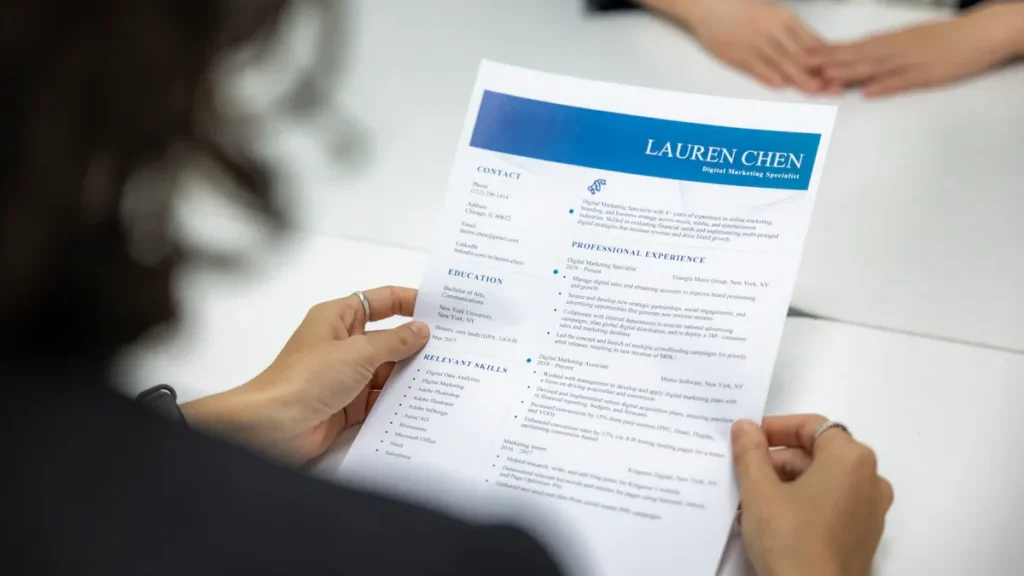
When you want to get noticed in your job search, you need to make your resume and cover letter fit each position. Many people send the same application to every company. That rarely works. If you customize your resume and cover letter, you show employers that you care about their job and understand what they need.
Customizing for Each Job
You should never send a generic resume or cover letter. Employers can spot them right away. When you apply for a job, read the job description closely. Look for the main skills and duties. Then, match your experience to those needs. If you do this, you increase your chances of getting a callback.
Here’s what happens when you customize your application:
Applications with a cover letter made for the job get a 31% higher callback rate than those with generic letters.
Customized cover letters lead to 53% more interviews than applications without cover letters.
Tailored cover letters help you stand out in a good way compared to generic applications.
A study found that 81% of recruiters like customized cover letters. They say generic letters can hurt your chances. If you want to get more interviews, always write a cover letter that fits the job.
Tip: Use the company’s name and mention something special about the position. Show that you know what the company does and why you want to work there.
Highlighting Skills
You need to show the right skills for each job. Start by looking at several job ads for the same type of position. Find the skills that show up most often. Then, add those skills to your resume. If you use these strategies, you make your application stronger:
Tailor your skills to the job by checking what employers want.
Highlight skills you use every day that match the position.
Look at LinkedIn profiles of people in similar jobs for ideas.
Match your skills to the company’s goals.
Talk to employees if you can to learn what skills matter most.
Put your top two or three hard skills at the top of your resume.
List up to twelve skills, mixing hard and soft skills.
Show your skills in your work experience section with real results.
Use numbers to prove your skills, like “increased sales by 20%.”
Avoid vague skills. Focus on skills that show real value.
| Section | How to Highlight Skills |
|---|---|
| Profile | List top 2-3 hard skills for the job |
| Key Skills | Choose up to 12 skills, mix hard and soft |
| Professional Experience | Show skills with examples and numbers |
| Education | Add skills if you have little work experience |
Note: Always use keywords from the job description. This helps your resume get noticed by both recruiters and computer systems.
Passing Applicant Tracking Systems
Most big companies use Applicant Tracking Systems (ATS) to sort applications. These systems look for keywords and filter out resumes that do not match the job. About 75% of large employers use ATS. If you want your application to reach a real person, you need to use the right keywords and simple formatting.
Here’s how you can pass ATS:
Use keywords from the job description in your resume and cover letter.
Keep your formatting simple. Use clear headings and bullet points.
Do not put important information in headers or footers.
Save your resume as a Word document or PDF.
Proofread your resume to avoid mistakes. Errors can stop ATS from reading your application.
Avoid fancy fonts or graphics. ATS may not read them.
Alert: If you customize your resume for each job and use the right keywords, you have a much better chance of getting past ATS and getting a callback.
When you apply for jobs, always customize your resume and cover letter. Show your best experience and skills for each position. Use keywords from the job description. Keep your formatting simple. If you follow these steps, you will stand out and get more interviews.
Job Search and Hiring Strategies
Start Early
You want to get ahead in your job search and hiring journey. The best way is to start early. If you are a student, begin your job search months before graduation. Here’s a simple timeline to help you plan:
October to November: Think about what you want in a job. Research companies and make a list of your top choices.
December to January: Reach out to alumni and industry contacts. Set up chats to learn about different jobs and practice talking about your skills.
February to March: Get your resume and cover letter ready. Ask for feedback from career services. Practice your interview skills and pick out your interview outfit.
April to May: Apply for jobs that interest you. Focus on deadlines and prepare for interviews. After you get offers, start salary talks.
June to July: Once you sign a contract, celebrate your new job and your hard work!
Tip: Starting early gives you more time to find remote jobs and connect with job seekers who can help you.
Be Selective
You do not need to apply for every job you see. Focus on jobs that match your skills and interests. When you are selective, you save time and energy. You also show employers that you care about the job and the company. Look for jobs that offer remote work if that fits your lifestyle. Many job seekers find better results when they target jobs that fit their goals.
Make a list of your must-haves, like remote options or certain benefits.
Only apply to jobs that excite you.
Use job search tips to spot the best job openings.
Callout: Quality matters more than quantity in job search and hiring.
Refocus Your Search
Sometimes your job search and hiring efforts do not work right away. You might feel tired or frustrated. That is normal. Take a step back and try these steps to refocus:
Review your recent job applications. Look for patterns in where you find jobs and how you apply.
Change your resume and cover letter for each job. Tell your story and show why you fit the company.
Network with employees at your target companies. Ask for referrals to stand out.
Share your skills and ideas on LinkedIn or other sites. This helps you get noticed for remote jobs.
Take care of yourself. Spend time with friends, volunteer, or do things you love. Mindfulness can help you stay positive and focused.
Note: Many job seekers find new energy and better results when they adjust their job search and hiring strategy.
Applying and Following Up
Apply Early
When you see a job you like, do not wait too long to apply. Experts say that if you send your job application within the first 24 hours, you have a much better chance of getting noticed. In fact, applying early can make you up to four times more likely to get an interview. Employers often look at the first group of applications and may stop reading new ones once they find enough good candidates. If you apply quickly, you show that you are ready and serious about the job. But do not rush so much that you forget to tailor your resume or cover letter. Take a little time to make sure your application fits the job before you hit send.
Tip: Try to apply within the first day, but always check your resume and cover letter for mistakes and make sure they match the job.
Track Applications
Keeping track of every job you apply for helps you stay organized. You do not want to forget where you sent your resume or miss a follow-up. Many people use simple tools like Google Sheets or Excel to list the job title, company, date applied, and contact info. Some use apps like Trello, Notion, or Teal’s Job Application Tracker to make things even easier. These tools let you set reminders, save notes, and update your progress. Here is a quick look at some popular options:
| Tool Name | What It Does |
|---|---|
| Google Sheets | Easy to use, free, and good for making lists |
| Trello | Lets you move jobs through different stages |
| Notion | Combines notes, calendars, and job tracking |
| Teal Tracker | Free tool for tracking unlimited job applications |
Staying organized means you never miss a deadline or forget to follow up.
Professional Follow-Up
After you send your job application, following up can help you stand out. Wait about a week before you reach out. This gives the employer time to look at your application. When you follow up, send a short and polite email. Thank them for their time, mention the job, and say you are still interested. If you had an interview, send a thank-you note within 24 hours. Mention something you liked about the conversation. This shows you care and helps the employer remember you.
Wait one week before following up.
Personalize your message by mentioning the company or job.
Keep your tone friendly and professional.
Do not send too many messages. One follow-up per week is enough.
A good follow-up shows you are interested but also respectful. This can make you more likely to get the job.
Managing Your Online Presence
Clean Social Media
Your social media can help or hurt your job search. Employers often check your profiles before they decide to hire you. Take time to look at your posts, photos, and comments. Remove anything that looks unprofessional or could give the wrong impression. Set your privacy settings so only friends can see your personal posts. This step keeps your online image clean and safe for job searching.
Tip: Google your name to see what comes up. If you find something you do not like, try to delete it or make it private.
Build Your Brand
You want employers to remember you for the right reasons. Building your personal brand online helps you stand out. Start by thinking about what makes you unique. What skills do you have? What do you enjoy doing? Use your answers to shape your story.
Here are some steps to build a strong brand:
Use a professional photo on LinkedIn and other sites.
Write a headline that shows your value.
Make sure your LinkedIn matches your resume.
Share articles and comment on topics in your field.
Ask for recommendations from teachers or past managers.
Create a simple website or portfolio to show your work.
Update your profiles when you achieve something new.
When you keep your story the same across all platforms, you look more trustworthy. This makes it easier for employers to see your strengths.
Network Online
Online networking opens doors to new jobs and connections. Most job seekers use the internet to find information and meet people in their field. LinkedIn is the top place for this. If you grow your LinkedIn network, you can get more job offers. Try joining groups, sharing your ideas, and talking with others in your industry.
| Benefit of Online Networking | How It Helps You |
|---|---|
| More job offers | Larger LinkedIn networks help |
| Learn from others | Join groups and ask questions |
| Show your skills | Share posts and comment on trends |
You can also reach out to people for advice or to learn about their jobs. This helps you build relationships and learn about new opportunities. Remember, networking is not just about asking for jobs. It is about making real connections that can help you grow.
Additional Resources to Find a Job
Looking for more ways to boost your job search? You have plenty of options outside the usual job boards. These extra resources can help you find jobs, meet new people, and learn new skills.
Staffing Agencies
Staffing agencies connect you with employers who need workers fast. You can sign up, share your skills, and let the agency match you with jobs that fit your experience. Many agencies offer help with resume writing and interview practice. Some focus on certain industries, so you might find jobs in healthcare, tech, or office work. If you want to try different roles or need a job quickly, staffing agencies can be a smart choice.
Tip: Ask the agency about temporary, permanent, and remote jobs. This way, you get more options and can pick what works best for you.
Virtual Career Fairs
Virtual career fairs make it easy to meet employers from anywhere. You can join from home, explore company booths, and chat with recruiters using video or instant messaging. These events let you apply for jobs around the world and learn about companies you might not find on regular job boards.
You get instant access to company info and can ask questions right away.
Employers use virtual booths to show off their brand and meet candidates.
Some fairs use cool features like 3D environments and games to keep you engaged.
You can network with other job seekers and join special networking events.
Organizers often share employer lists early and offer resume tips before the fair.
Virtual fairs cost less than in-person events and give you more ways to track your progress.
Many people find more interviews and better connections at virtual fairs. For example, Greenheart International saw a big jump in interviews after switching to a virtual platform.
Free Tools and Workshops
You can find lots of free online tools and workshops to help with your job search. These resources teach you how to write resumes, prepare for interviews, and build important skills.
CareerSource Research Coast offers workshops on resume writing, interview skills, and personal finance.
You can use online tools like Employ Florida, O*Net Online, and My Next Move to explore jobs and plan your career.
Google Learning gives you free training in IT, coding, and data analytics. You can also learn how to use Google tools for work.
SkillUp Coalition helps you research careers, find training, and get free coaching. You do not need a college degree to use their resources.
Many workshops include expert advice and let you learn at your own pace.
Note: Register early for workshops to get the most out of them. These programs help you stand out and grow your skills for future jobs.
You can boost your job search by building a strong online brand, using AI tools, and connecting with others. Stay proactive—take charge, learn new skills, and adapt to changes. Remember, customizing your resume and cover letter for each job makes a big difference.
https://focusofwellness.com/index.php/2024/06/06/professional-development-for-occupational-wellness/
When you act early, keep learning, and stay flexible, you set yourself up for success. Start using these tips today and watch your job search get results! 🚀
FAQ
How many jobs should you apply for each week?
You should aim for 5 to 10 quality applications each week. Focus on jobs that match your skills and interests. Quality matters more than quantity.
What should you do if you do not hear back after applying?
Wait about a week, then send a polite follow-up email. Thank the employer for their time and ask if they need more information. This shows you care and helps you stand out.
Can you use the same resume for every job?
No, you should change your resume for each job. Use keywords from the job description. Show the skills and experience that fit the job best.
Is it okay to apply for jobs you are not fully qualified for?
Yes! You can apply if you meet most of the requirements. Employers often list their ideal candidate. Show your strengths and willingness to learn. Sometimes, passion and effort matter more than a perfect match.