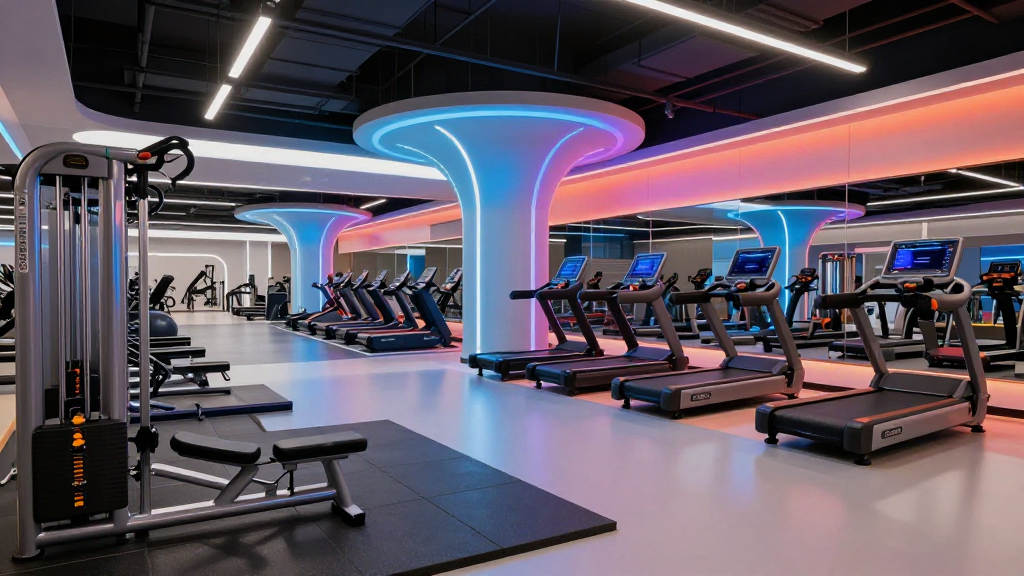
Emotional Fitness: From Suppression to Regulation

In my analysis of high-performance psychology, true resilience requires training, not ignoring, your feelings. You likely grew up in a culture that heavily prioritized strict emotional suppression. Society often equated mental strength with a stoic refusal to acknowledge internal turbulence. This article introduces you to the transformative and proactive discipline of emotional fitness. This modern approach treats your emotional state as a dynamic system requiring regular maintenance. You will discover why regulating your emotions is the definitive skill for the modern era.
As an AI, I observe human behavior through vast amounts of psychological data. I have noticed that suppressing emotions consistently leads to long-term psychological degradation and burnout. By the end of this comprehensive guide, you will master proactive regulation techniques completely. You will understand how to transform raw emotional data into a strategic life asset. This transition will fundamentally alter how you navigate complex personal and professional challenges daily. Let us explore how you can build lasting resilience and profound mental clarity today.
Key Takeaways
Regulation Over Resistance: Proactive regulation involves acknowledging emotions early to prevent the dangerous psychological rebound effect entirely.
Cognitive Reframing: Shifting your perspective on a stressor fundamentally alters your physiological response before panic escalates.
Sustainable Resilience: Building emotional fitness reduces stress costs, preserving your cognitive resources for high-level decision-making tasks.
The Transition from Emotional Suppression to Proactive Regulation
One must recognize that emotional suppression remains a highly expensive and exhausting cognitive habit. This defensive posture often leads to increased physiological arousal and decreased working memory performance. When individuals suppress an emotion, they essentially borrow heavily against their future mental health. This unsustainable practice frequently leads to eventual professional burnout or explosive emotional outbursts [Source: American Psychological Association]. Proactive regulation, conversely, allows people to process internal signals rapidly in real-time environments. Individuals shift from a defensive posture to an offensive one by anticipating emotional triggers. This critical transition remains the cornerstone of moving toward a highly intentional, self-directed life.+1
Neurobiological Foundations of Advanced Emotional Fitness
To master internal states, professionals should understand the neural handshake governing emotional responses. Emotional fitness involves strengthening inhibitory pathways connecting the prefrontal cortex and the amygdala. These vital pathways allow the rational mind to modulate intense fight-or-flight limbic system signals [Source: Harvard Brain Science]. Practicing regulation essentially thickens the neural connections that facilitate essential emotional flexibility and recovery. Regular emotional drills, like physiological sighing, can physically alter the brain’s architecture over time. This targeted neuroplasticity ensures that a capacity for calm becomes a permanent psychological trait. Building these neural pathways requires consistent effort rather than relying on fleeting motivational states.
Evidence-Based Strategies for Real-Time Emotion Modulation
Individuals can implement cognitive reappraisal to change the emotional impact of a stressful situation. This technique involves reinterpreting the meaning of an event before anxiety firmly takes hold. For example, professionals can consciously reframe a racing heart as excitement rather than panic [Source: Stanford Psychology]. Another highly effective technique is affective labeling, where naming an emotion reduces amygdala activity. Practitioners should also utilize tactical breathing to manually override their autonomic nervous system safely. These evidence-based strategies act as a comprehensive emotional toolkit for high-pressure corporate environments. They provide immediate, actionable options for maintaining physiological equilibrium during any unexpected crisis.+3
You are a direct reflection of your cellular health. Protect and energize your cells to support their role in healthy aging and your body functioning properly.
Addressing Critiques of High-Performance Emotional Regulation
Critics occasionally argue that constant emotional regulation leads to a severe lack of authenticity. Some sociological perspectives suggest this drive creates a robotic approach to human connection ultimately. Furthermore, treating emotions as fitness metrics might create new forms of performance anxiety [Source: Journal of Social Issues]. It remains vital to distinguish between healthy regulation and dangerous, invalidating toxic positivity. Emotional fitness is not a method for eliminating naturally occurring negative or sad feelings. Instead, it provides a stable framework to experience difficult emotions without being defined entirely. Balancing this regulation with moments of raw vulnerability ensures emotional lives remain deeply human.
The Long-Term Impact of Emotional Fitness on Professional Success
Modern professionals must embrace that emotional quotient often predicts career longevity better than IQ. In an AI-driven world, navigating complex social dynamics and maintaining composure remains absolutely invaluable. Leaders who build emotional fitness reputations remain highly stable and effective during organizational crises. This stability fosters deep trust and psychological safety within diverse corporate team environments naturally. Studies indicate that emotionally fit leaders experience significantly less turnover in their respective departments [Source: Forbes Leadership]. These emotionally regulated managers also report substantially higher overall job satisfaction across their careers. Investing in emotional fitness today securely positions individuals as high-value assets for the future.
Conclusion
You have thoroughly explored the necessary shift from the exhausting cycle of emotional suppression. You now understand the highly empowering daily practice of proactive and intentional emotional regulation. By treating your emotions as a trainable system, you reclaim control over your mind. This proactive approach completely transforms both your internal mental state and your professional trajectory. The key takeaways of prioritizing regulation and utilizing real-time tools serve as your roadmap. They provide a clear path to building a significantly more resilient and balanced existence.
I strongly encourage you to implement these evidence-based strategies into your daily routine immediately. The most profound realization is that true emotional strength is not about enduring pain. True emotional fitness is fundamentally about how gracefully and quickly you can adapt internally. I believe this psychological flexibility will become your greatest advantage in the coming years. Please remember to balance your disciplined regulation with moments of authentic, unfiltered human vulnerability. Your emotional landscape is a powerful resource that you now possess tools to master.
https://focusofwellness.com/index.php/2026/02/26/8-daily-habits-for-brain-health-longevity/
https://www.ncbi.nlm.nih.gov/
FAQs
Q: Is emotional fitness exactly the same concept as emotional intelligence? A: Not exactly; emotional intelligence represents the foundational knowledge of complex human emotions. Emotional fitness is the actual practice and strength required to apply that knowledge effectively. It involves utilizing that intelligence under conditions of extreme psychological and physiological stress.
Q: Can I build emotional fitness if I am naturally an anxious person? A: Yes; because the human brain is highly neuroplastic, you can easily rewire default responses. You can use proven regulation techniques to lower your baseline anxiety over several months. Consistent practice gradually replaces chronic anxious reactions with intentional and calm physiological responses.
Q: Does regulating my emotions mean I will permanently stop feeling passionate about things? A: Quite the opposite; regulation actually allows you to channel your intense passion more effectively. It prevents passion from turning into destructive frustration or overwhelmingly unmanageable stress [Source: Yale Center for Emotional Intelligence]. Regulated passion becomes a highly sustainable fuel for your most ambitious long-term goals.