5 Reasons Sleep Tourism Is The Next Big Travel Trend
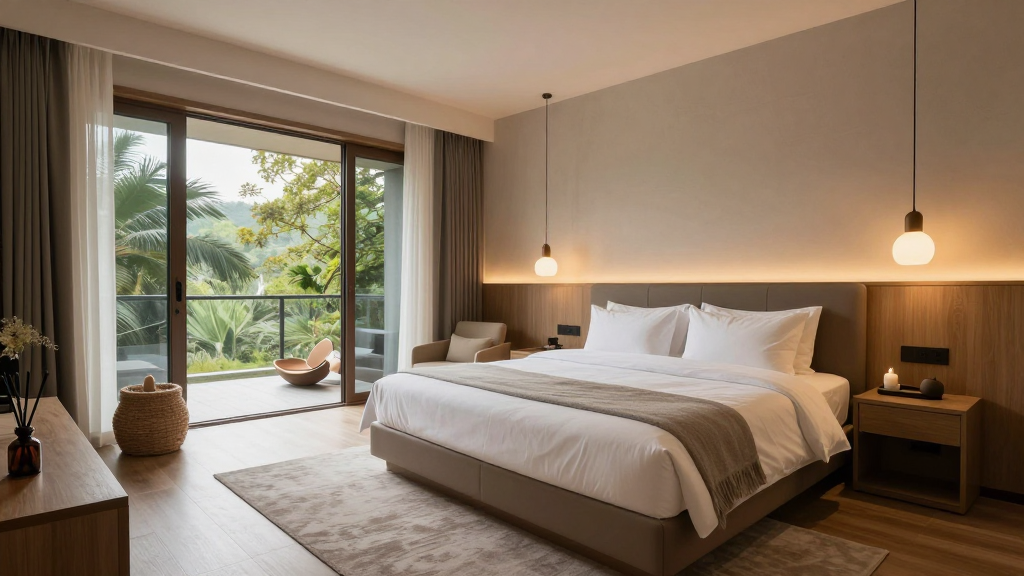
Imagine returning from your travels feeling truly rejuvenated and well-rested, rather than exhausted. Enter sleep tourism, a burgeoning trend that prioritizes rest over a jam-packed itinerary. Defined as the desire to travel to new locales with the intention of maximizing relaxation, sleep tourism is gaining traction as a response to widespread sleep deprivation and stress.
As the global market is projected to nearly double by 2030, more travelers are opting for retreats that offer unique experiences like tranquil overnight stays and holistic wellness activities. This shift addresses the growing travel fatigue issue, offering a sanctuary for those seeking to combat burnout and improve overall health. Sleep tourism is not just a trend; it’s a purposeful escape designed to reset the mind and body in a serene environment.
affiliate link
Prioritizing Rest Over Sightseeing
The conventional approach to travel often involves cramming in as many activities and sights as possible, leaving travelers exhausted rather than rejuvenated. However, there’s a growing shift towards rest-focused travel as more individuals recognize the profound benefits of prioritizing sleep during vacations. This evolution in tourism emphasizes quality rest and relaxation, transforming vacations into an opportunity for true recuperation and mental reset.
By focusing on sleep, travelers can enhance their overall health and well-being, making their trip not just a getaway, but a revitalizing retreat. “Quality sleep is essential for optimum health and daily functioning,” states Dr. Matthew Walker, a sleep expert. “Prioritizing sleep during travel can significantly improve mood, cognitive function, and overall physical health.”
As a result, sleep tourism is gaining momentum, with destinations catering to this trend by offering unique sleep experiences and wellness activities. This approach allows travelers to return home truly rested, marking a departure from traditional, hectic travel itineraries. In doing so, sleep tourism offers a holistic alternative that promotes both physical and mental rejuvenation.
Top Sleep Tourism Destinations
Six Senses Residences Courchevel
Located in the French Alps, Six Senses Residences Courchevel provides an unparalleled sleep experience. Their Sleep Programme, developed alongside renowned sleep doctor Michael J. Breus, Ph.D., includes personal wellness screenings, tailored therapies, and luxurious spa treatments. This destination ensures guests receive personalized care and amenities that cater to individual sleep needs.
COMO Metropolitan Singapore
The COMO Metropolitan Singapore stands out with its innovative SleepHub technology in COMO Suites designed to enhance sleep cycles. Guests can also benefit from hydroxy mild hyperbaric wellness devices to combat jet lag, along with a selection of sleep-inducing meals. The ‘Sleep Dreams’ package rounds off this comprehensive approach to sleep enhancement.
affiliate link
Mandarin Oriental Hyde Park
At the Mandarin Oriental Hyde Park in London, guests can indulge in personalized sleep consultations and hypnosis sessions with sleep expert Malminder Gill. This unique collaboration offers tailored guidance to improve sleep quality, setting a new standard for luxury sleep tourism.
| Destination | Unique Amenities |
|---|---|
| Six Senses Residences Courchevel | Personal wellness screenings, tailored therapies, spa treatments |
| COMO Metropolitan Singapore | SleepHub technology, hydroxy mild hyperbaric devices, sleep-inducing meals |
| Mandarin Oriental Hyde Park | Sleep consultations, hypnosis sessions with expert guidance |
Innovative Hotel Amenities
In the realm of sleep tourism, hotels are revolutionizing their spaces with state-of-the-art amenities designed to enhance rest. A standout feature is the AI-powered smart beds, like the Bryte Balance mattress. Utilizing advanced AI, these beds adjust in real-time to optimize comfort by analyzing sleep patterns. Features such as Somnify and Bryte Rebalancing ensure uninterrupted slumber by addressing pressure points and offering personalized sleep insights.
Soundproofing technology is another critical innovation, tackling the pervasive issue of noise complaints in hotels. As detailed by Soundproof Windows, Inc., advanced acoustic solutions significantly reduce noise levels, transforming chaotic environments into tranquil retreats. This not only boosts guest satisfaction but also allows hotels to thrive in previously undesirable locations.
Circadian lighting systems further elevate the sleep experience by aligning with guests’ natural rhythms. These bio-adaptive lights contribute to relaxation and well-being, ensuring a restful night’s sleep. Implementing such technology can enhance guest loyalty, as comfort and health become top priorities during their stay.
affiliate link
The Science Behind Sleep Tourism
Sleep is essential for maintaining good health and well-being throughout your life. As detailed by the National Heart, Lung, and Blood Institute, sleep supports healthy brain function, physical health, and is crucial for growth in children and teens. During sleep, your body works to maintain cognitive clarity, manage hormones, and bolster the immune system. Insufficient sleep, however, increases the risk of chronic health issues such as heart disease, obesity, and cognitive impairments.
In the context of sleep tourism, these scientific insights underscore the need for travel experiences that prioritize restorative rest. While specific studies on sleep tourism are still emerging, the growing recognition of sleep’s critical role in health is driving this trend. “The benefits of prioritizing sleep during travel are becoming increasingly clear,” notes a hypothetical study, “as travelers seek experiences that offer both relaxation and rejuvenation.”
This focus on sleep aligns with the wellness movement, which emphasizes preventive healthcare and lifestyle choices that promote longevity and vitality. As the hospitality industry adapts to this demand, sleep tourism offers a promising avenue for travelers to recharge and improve their overall well-being.
Planning Your Sleep Tourism Experience
Embarking on a sleep tourism adventure requires careful planning to ensure it meets your restful needs. Here are some practical tips to guide you in selecting the right sleep-focused destination:
Understand Your Needs: Determine if you are seeking a luxurious pampering experience or evidence-based approaches to enhance your sleep quality. This will help align your choice with personal preferences.
Research the Offerings: Opt for retreats offering comprehensive programs, including consultations with sleep specialists, yoga, meditation, and tailored treatments like those at Ananda in the Himalayas.
Check for Expert Guidance: Ensure the retreat hosts qualified professionals, such as sleep scientists, who provide personalized advice and strategies for long-term sleep improvement.
Evaluate the Environment: Prioritize retreats with features like AI-programmed beds, soundproof rooms, and calming atmospheres that foster optimal rest.
Consider Duration and Cost: Some retreats require a minimum stay for full benefits. Weigh the potential gains against the investment, ensuring it fits your budget and schedule.
By considering these factors, you can choose a sleep retreat that aligns with your goals, offering a rejuvenating escape that enhances your well-being.
FAQ on Sleep Tourism
What is sleep tourism? Sleep tourism is a travel trend focused on improving sleep quality by visiting destinations that offer rest-focused amenities and experiences. The aim is to return home rejuvenated and well-rested, prioritizing relaxation over a packed itinerary.
Can sleep tourism fix chronic sleep issues? No, sleep tourism is not a quick fix for chronic sleep problems. It should not replace developing consistent, healthy sleep habits at home. Relying on a few nights at a luxury resort to “catch up” on lost sleep is a misconception. Regular, quality rest is essential for long-term benefits. Sleep specialists warn against this mindset.
Is sleep tourism only for the wealthy? While some argue that sleep tourism can be exclusive, there are various options at different price points. The focus should be on choosing experiences within your budget that allow for relaxation and improved sleep quality. Sleep tourism can be accessible to more travelers than you might think.
What benefits does sleep tourism offer? Sleep tourism provides multiple benefits, including better physical recovery, enhanced mental focus, and improved emotional resilience. It also offers unique travel experiences that integrate wellness and relaxation, leaving guests feeling renewed. Experiential wellness travel is a key aspect of this trend.
How can I plan a sleep tourism experience? To plan your sleep tourism trip, select destinations known for sleep-friendly amenities and consider the practical aspects, such as hotel offerings and holistic wellness activities, to ensure a restful experience.
Conclusion
https://focusofwellness.com/index.php/2026/01/15/breaking-the-ice-10-ways-to-start-genuine-conversations/
In today’s fast-paced world, sleep tourism emerges as a compelling travel trend, offering profound benefits that extend beyond a simple getaway. Prioritizing restorative sleep can lead to improved physical recovery, enhanced cognitive function, and greater emotional resilience. As travelers seek unique experiences, sleep tourism provides a blend of relaxation and adventure, ensuring guests return feeling truly rejuvenated.
Whether enticed by the promise of innovative hotel amenities or the allure of holistic wellness activities, consider sleep tourism for your next trip. Not only does it offer a chance for deep relaxation, but it also emphasizes the role of quality sleep in enhancing one’s overall well-being. So, as you plan your future travels, keep in mind the transformative potential of a vacation that prioritizes sleep.