Wellness on a Budget: Build a Routine Before Gear

Every January and November, I see people buy expensive workout gear hoping it will magically spark a consistent exercise habit. Today, household budgets feel tighter than ever, forcing many workers to rethink how much money goes toward self-care. When we confuse shopping for a fitness identity with actual movement, our wellness spending spirals without improving our health. Fortunately, we can master wellness on a budget by auditing existing tools and proving our consistency before buying new equipment.
affiliate link
Key Takeaways
Separate identity from action: Buying trendy apparel or gadgets rarely creates lasting exercise habits without an established daily movement routine.
Protect essential medical care: Cutting discretionary fitness subscriptions should never mean skipping preventive doctor visits, prescriptions, or vital mental health support.
Prove consistency before upgrading: Auditing unused memberships and completing thirty days of planned workouts ensures every wellness dollar supports proven habits.
Why Identity-Driven Wellness Spending Derails Fitness Budgets
Many consumers overspend on fitness because marketing ties athletic gear and boutique studios to a desirable personal identity. McKinsey research shows more than one-third of U.S. consumers view wellness as core to who they are. Yet BenefitHub reports that workers prioritizing health and wellness spending fell from 45 percent to 25 percent amid financial strain. Meanwhile, Finder estimates Americans waste roughly $1.13 billion annually on unused gym memberships. When buyers purchase gear for an aspirational lifestyle rather than a specific activity goal, expensive equipment gathers dust while budgets shrink.
When Necessary Healthcare Differs From Discretionary Wellness Purchases
Trimming a gym membership budget requires drawing a firm line between optional lifestyle perks and essential medical care. Critics of extreme frugality warn that cutting all health expenses backfires when people delay preventive checkups or vital medications. In fact, BenefitHub notes that 46 percent of employees report worsening household finances, which often tempts families to skip necessary care. While luxury recovery gadgets, boutique classes, and trendy supplements are optional, primary healthcare and physical therapy remain non-negotiable investments. Balancing fitness on a budget means eliminating unverified wellness trends while safeguarding core medical needs.
How to Audit Fitness Costs and Build Habits First
affiliate link
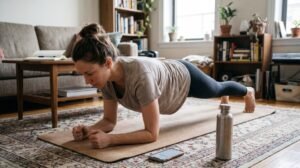
Practicing wellness on a budget begins with a complete equipment inventory of weights, mats, and apps already inside the home. Next, a strict membership-use audit reveals whether monthly gym dues cost more per visit than simple drop-in passes. Before purchasing any upgrade, individuals should hit a clear milestone, such as completing one full month of planned bodyweight workouts. Research shows that price and proven effectiveness now tie as the top factors guiding smart consumer wellness choices. Looking ahead, budget-conscious exercisers will increasingly rely on free community parks, employer discount portals, and basic home routines over costly subscriptions.
Ultimately, I believe lasting health comes from daily effort rather than an overflowing closet of athletic gear. When we audit what we already own and separate true medical needs from trendy impulse buys, our wallets breathe easier. Proving our commitment through thirty days of consistent movement turns future purchases into earned rewards instead of expensive regrets. Before clicking buy on another fitness gadget, let us complete one month of workouts using what we already have.
https://focusofwellness.com/index.php/2026/02/17/home-gym-vs-commercial-gym-pros-and-cons/
https://holisticwellnesswave.com/index.php/2026/03/03/walking-yoga-blending-mindful-breathwork-low-impact-flow/
Frequently Asked Questions
How can I practice wellness on a budget without a gym?
You can practice wellness on a budget by using bodyweight exercises, walking outdoors, and following free online workout videos. Take an inventory of existing home gear like resistance bands or dumbbells first. Focus on daily movement consistency for thirty days before spending money on paid fitness apps.
How do I know if my gym membership is worth keeping?
Perform a quick membership-use audit by dividing your monthly gym fee by the number of times you actually visited last month. If each visit costs more than a single drop-in pass or local community center fee, cancel the subscription and switch to pay-as-you-go workouts.
What is the difference between healthcare and wellness spending?
Necessary healthcare includes essential medical services like annual physicals, dental cleanings, prescriptions, and mental health therapy. Discretionary wellness spending covers optional lifestyle purchases such as boutique fitness classes, athletic clothing, recovery gadgets, and trendy supplements. Always fund essential medical needs before spending money on optional fitness upgrades.